iPad LiDAR vs. Professional Laser Scanners
iPad LiDAR is useful for quick site context, but professional laser scanners remain the better choice when you need dependable dimensions, cleaner geometry, and permit-ready as-builts.
Read article →Practical guides on as-built drawings, permitting, renovations, and property documentation in California.
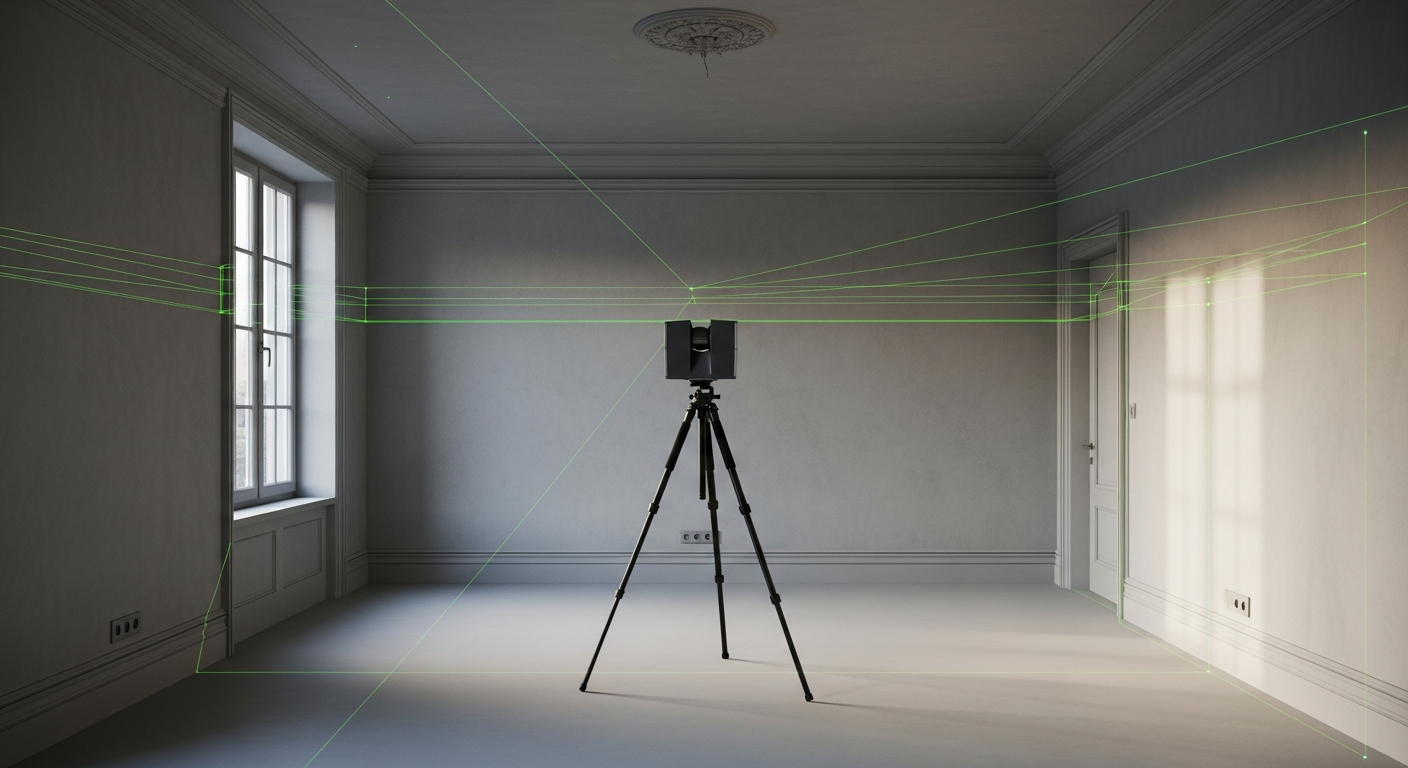
iPad LiDAR is useful for quick site context, but professional laser scanners remain the better choice when you need dependable dimensions, cleaner geometry, and permit-ready as-builts.
Read article →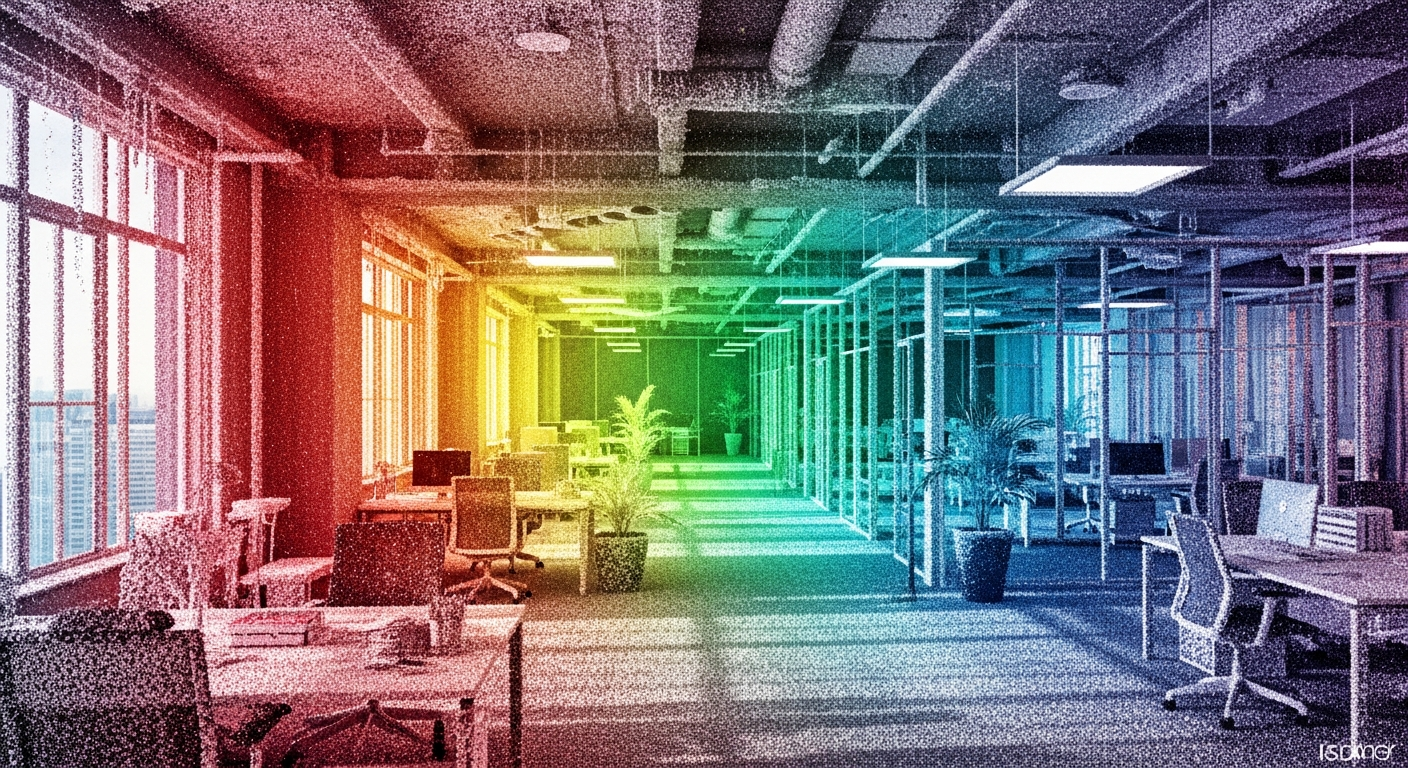
Mesh and point cloud are different 3D data types in reality capture, and knowing when each is useful helps you specify better scanning deliverables.
Read article →
Bought a home with no plans on file? Here is how to get accurate as-built drawings, why new owners need them, and what to do before you start any renovation.
Read article →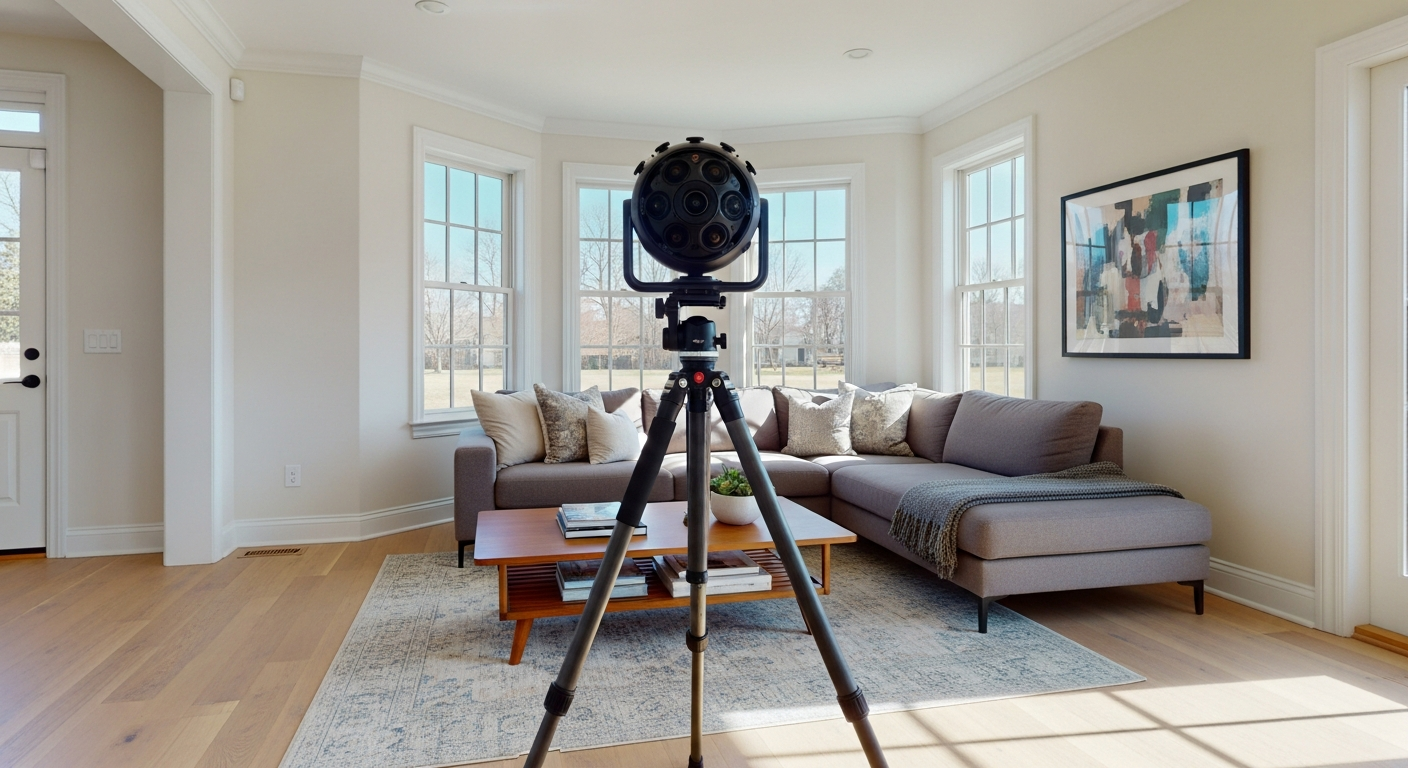
Building facade scanning gives architects accurate exterior geometry for renovations, envelope studies, and documentation when existing conditions are incomplete or unreliable.
Read article →
A free point cloud viewer can help you inspect scan data, share reality capture with teams, and validate existing conditions before drafting or design begins.
Read article →
Autodesk ReCap is reality capture software that turns laser scans and photos into usable site data for design, coordination, renovation, and as-built documentation.
Read article →
Point cloud file size varies widely with scan method, density, color, and deliverables, so understanding the drivers helps you plan storage, sharing, and downstream CAD work.
Read article →
Attics and crawl spaces can often be scanned, but access, clearance, safety, and the required deliverable determine whether laser scanning or manual measurement is the right choice.
Read article →
Lighting can affect some 3D scanning workflows, but the impact depends on the scanner type, site conditions, and the deliverables you need.
Read article →