An expired building permit in California does not always mean your project is dead, but it does mean you need to stop and sort out your status before moving forward. If work continues after a permit lapses, you can create bigger problems with inspections, corrections, resale disclosures, and final approval. The right next step depends on where the project stopped, what your local building department allows, and whether the approved plans still match what was actually built.
For homeowners, investors, and contractors, the key is understanding that permit expiration is a local administrative issue layered on top of state building codes. California cities and counties follow the permit process in broadly similar ways, but each jurisdiction sets its own rules for inactivity periods, extensions, renewal procedures, recheck requirements, and fees. If you are dealing with an expired building permit california situation, it is smart to confirm current requirements directly with your city or county before you schedule more work.
What it means when a building permit expires
A building permit generally expires when work does not begin on time, when inspections are not requested for too long, or when the permit is not finalized within the department’s allowed timeframe. In plain terms, the permit is no longer active, so the building department may treat the project as paused, abandoned, or incomplete until you reactivate, renew, or replace the permit.
That matters because a permit is more than a receipt. It is the city or county’s authorization to build according to a reviewed set of plans and under a sequence of required inspections. When the permit expires, that authorization can no longer be relied on in the same way. Even if much of the work is already complete, you may not be able to continue legally until the department tells you how to proceed.
- The approved plans may need to be re-reviewed.
- Previously passed inspections may need to be verified in context.
- Concealed work may become a documentation problem.
- New code cycles may affect unfinished portions of the project.
- Additional fees may apply to renew or reopen the permit.
If you are new to california building permits generally, FastAsBuilt’s complete guide to building permits in California gives helpful background before you talk to the jurisdiction.
Why permits expire in California projects
Most expired permits happen for ordinary reasons, not dramatic ones. A remodel gets delayed because financing changes. An addition pauses after rough framing. A contractor disappears. Ownership changes hands. A plan revision never gets filed. The project simply sits long enough that the permit becomes inactive under local rules.
In California, common triggers include long gaps between inspections and failure to complete final sign-off. Many owners assume that once a permit is issued, it stays valid until the work is done. In reality, the permit process usually requires visible progress. If the department does not see activity, it may allow the permit to lapse automatically.
Typical causes of permit expiration
- Work never started after permit issuance.
- Work started but no inspection was requested within the allowed period.
- The project stalled after one or more failed inspections.
- The owner changed scope without approved revisions.
- The contractor left the job or the permit holder changed.
- The owner believed the project was complete but never obtained final inspection.
Permits also expire when the original approved documents are no longer a reliable record of the job. That is especially common with remodels, garage conversions, ADUs, tenant improvements, and additions where field conditions changed during construction. In those cases, updated documentation can become the difference between a routine reactivation and a much more complicated permit correction process.
How to tell whether your permit is expired or just inactive
Before assuming the worst, verify the exact status. Some jurisdictions use terms like expired, inactive, abandoned, void, or final overdue. Those labels can matter because they may trigger different procedures. For example, an inactive permit might be eligible for a simple extension, while a void permit might require a new application or a re-submittal.
Start with the permit card, the permit number, and any inspection history you have. Many California jurisdictions have online permit portals where you can look up issuance date, inspection results, and current status. If the online record is unclear, call the building department and ask these basic questions:
- Is the permit expired, inactive, or still open?
- What caused the status change?
- Can the permit be extended, renewed, or reactivated?
- What inspections were passed, failed, or never scheduled?
- Will the department require updated drawings or a new plan check?
- Are there code updates that affect the unfinished work?
This is also when it helps to understand why existing drawings matter during plan check. If the jurisdiction cannot trust the current record of the building, it may ask for revised plans before allowing the project to continue.
Need accurate as-built plans?
FastAsBuilt sends a local crew to laser-measure your property and delivers permit-ready 2D or 3D drawings, starting at $900.
See 2D & 3D pricingWhat happens after a permit expires
Once a permit expires, the building department usually decides one of a few paths. The simplest path is an administrative extension or reactivation. The more involved path is partial re-review of the project. The most difficult path is requiring a new permit application with updated plans and possibly additional corrections.
The outcome often depends on how much work is done and how well that work was documented.
Possible next steps from the jurisdiction
- Grant an extension if the request is timely and the project is still straightforward.
- Require payment of renewal or reinspection fees.
- Ask for revised drawings that match current conditions.
- Require exposure of concealed work so inspectors can verify it.
- Send the project back through plan check.
- Require a new permit application if the old permit cannot be revived.
For example, if a bathroom remodel expired after rough inspections passed but before finish work and final inspection, the department may simply reopen the permit and continue inspections. But if an addition was built differently from the approved plans and then sat for two years, the department may require as-built documentation, revisions, structural review, and code compliance updates before issuing approval to proceed.
Timing matters too. California jurisdictions adopt code updates on regular cycles, and local amendments can also change. If a project remains unfinished long enough, the city or county may require portions of the work to comply with currently enforced codes rather than the standards in effect when the original permit was issued. Confirm that point with the local jurisdiction rather than assuming old approvals still control everything.
Can you keep building after the permit expires?
In most cases, no. Once a permit expires, continuing work without resolving the permit status can put you in the same general risk category as working without a valid permit. That does not always mean the city will treat it exactly the same as an entirely unpermitted project, but it can lead to stop work orders, failed inspections, penalties, and problems at final sign-off.
If your contractor tells you to just finish the job and deal with paperwork later, that is usually a bad idea. The larger the gap between approved plans and actual conditions, the harder it becomes to document compliance. That is especially true when plumbing, electrical, framing, or structural work gets covered up before the building department authorizes the next step.
For related risks, see what happens if you build without a permit in California. The practical lesson is the same: resolve permit status first, then continue work.
When updated drawings or as-built plans become necessary
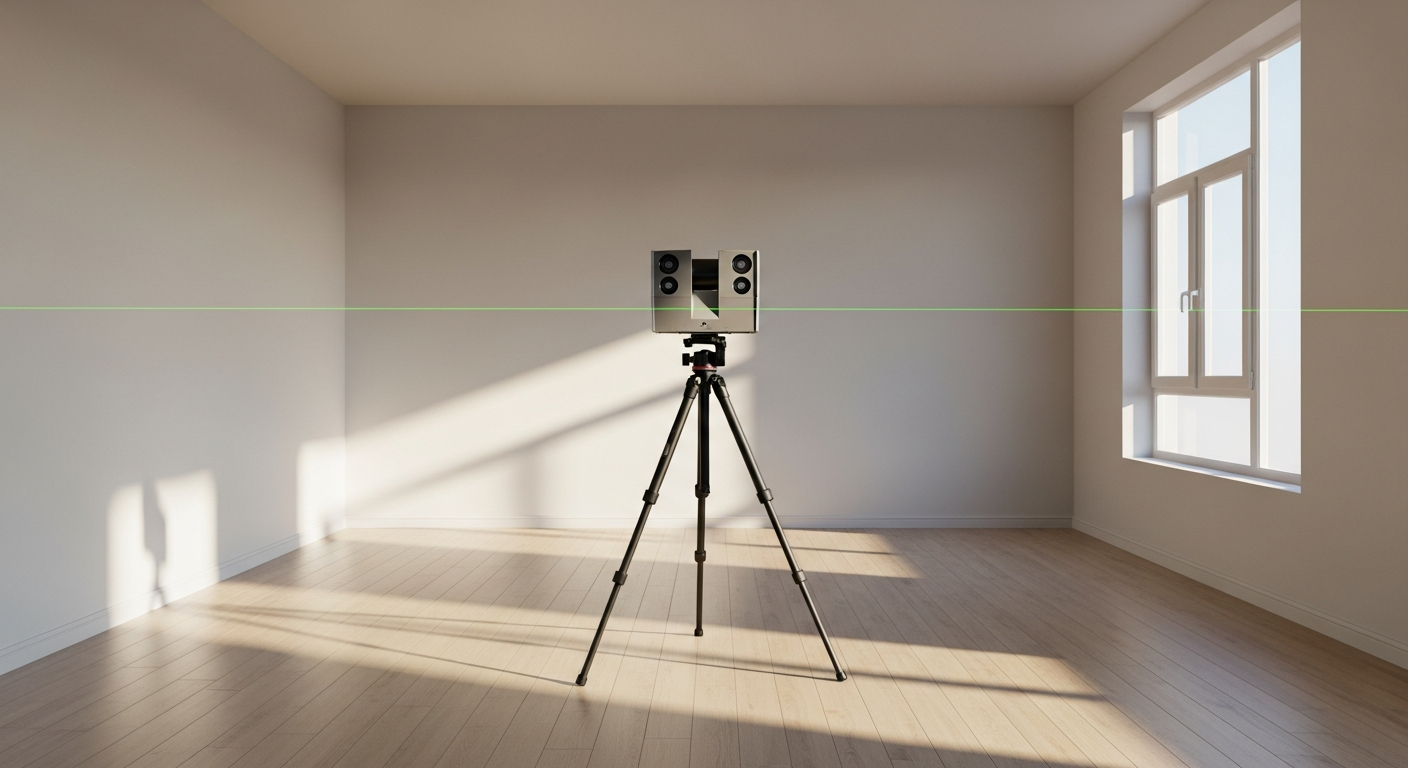
Expired permits often turn into a documentation issue. If the department cannot tell what exists today, it may ask for current drawings before it lets you move ahead. That is where as-built drawings come in. As-built drawings are field-measured drawings that show the building as it actually exists, not just how it was originally designed.
They are especially useful when:
- The work on site differs from the approved plans.
- The original plans are missing, outdated, or incomplete.
- A new owner inherited an unfinished permitted project.
- The jurisdiction wants revised floor plans, elevations, or sections.
- You need to reopen a permit for an addition, ADU, garage conversion, or tenant improvement.
- You are trying to permit prior work that was started but never finalized.
FastAsBuilt provides field-measured as-built drawings and measured floor plans across California. Our local crews serve Southern California, the Bay Area, and San Diego. We use on-site laser measurement, and then senior drafters produce permit-ready CAD files in PDF and DWG format.
For straightforward documentation needs, 2D As-Built Plans start at $900 for up to 1,500 square feet, then $0.50 per square foot. They include one revision and typically deliver in 48 to 72 hours. For projects that need a fuller record, 3D As-Built Plans start at $1,500, then $1.00 per square foot, and include a 3D model plus 2D floor plans, elevations, and sections, with two revisions and typical delivery in 3 to 5 business days. If the work involves commercial spaces, ADUs, SB 9 sites, tenant improvements, or other custom scopes, FastAsBuilt quotes those individually. You can review options on our packages page.
Turnaround times are estimates and may vary based on project complexity and scheduling.
If you are deciding whether your project needs this level of documentation, these articles may help: do you need as-built drawings for a remodel permit and what are as-built drawings.
How expired permits affect inspections, resale, and refinancing
An expired permit is not only a construction issue. It can ripple into property transactions and financing. If a permit remains open or expired without final approval, it can raise questions during a sale, refinance, appraisal, insurance review, or buyer due diligence process. The issue is not always that the work is unsafe; often it is that the official record does not show lawful completion.
Buyers and lenders may ask:
- Was the work finished under a valid permit?
- Did the required inspections occur?
- Does the square footage on record match what exists?
- Are there any unresolved building department corrections?
- Will the new owner inherit the obligation to legalize or complete the work?
For homeowners, that can become urgent when trying to close a transaction. A missing final inspection on a kitchen remodel may be manageable. An expired permit tied to added square footage, a garage conversion, or structural work can be more serious because it directly affects valuation and compliance. In those cases, measured existing-condition plans can help everyone work from the same baseline.
How to reopen or replace an expired permit
The exact permit process varies by city and county, but the general sequence is fairly consistent. First, determine permit status. Second, gather the last approved plans and inspection history. Third, ask the building department what path they require: extension, renewal, reactivation, revision, or new permit. Fourth, prepare whatever documentation is missing.
A practical step-by-step approach
- Stop work until the jurisdiction confirms you can proceed.
- Pull the permit record, permit card, and all approved sheets.
- Request a status explanation from the building department in writing if possible.
- Ask whether existing inspections remain valid.
- Confirm whether revised drawings are required.
- If field conditions changed, commission measured as-built plans.
- Submit revisions or a new permit package as directed.
- Schedule required inspections in the sequence the inspector approves.
- Do not assume final inspection will be automatic just because most work is complete.
If the jurisdiction requires plan revisions, it helps to know how to submit as-built drawings to the building department. Good existing-condition documentation can reduce confusion, shorten correction cycles, and make it easier for designers, engineers, and plan check staff to evaluate the unfinished work.
Some projects cross into a legalization process rather than a simple permit renewal. That can happen when approved and built conditions differ substantially, or when work continued after expiration for a long period. In that scenario, the department may treat parts of the project similarly to unpermitted work and ask for a broader review package.
Special situations: additions, ADUs, tenant improvements, and ownership changes
Not all expired permits are equal. The stakes are usually higher when the permit involves added habitable area, a change of occupancy, egress modifications, structural work, or utility reconfiguration. In California, that often means more attention on additions, ADUs, junior ADUs, garage conversions, and commercial tenant improvements.
For example, if an expired permit concerns an unfinished addition, the city may want updated floor plans, elevations, sections, and site information before allowing completion. If the work involved an ADU or lot-split development under SB 9, local standards and state housing rules can affect how the project is reviewed going forward. Confirm current local implementation with the jurisdiction because procedures vary.
Ownership changes add another layer. If you bought a property with an open or expired permit, do not assume the issue disappeared with the prior owner. The building department’s concern is the status of the work, not who caused the delay. A new owner often needs a clear set of existing-condition drawings before deciding whether to complete, revise, or legalize what is already there.
Commercial tenant improvements can be even more document-heavy. Fire-life-safety, accessibility, exiting, and MEP coordination may all need to be revisited if a permit sat too long. In those cases, accurate measured plans are often the starting point for every consultant involved.
How to reduce the risk of permit expiration in the first place
The best fix is prevention. Many permits expire simply because no one is tracking the timeline. Homeowners assume the contractor is handling it; contractors assume the owner knows the city needs an extension request; everyone is waiting on one missing trade. A few basic habits can prevent that drift.
- Ask at permit issuance exactly how long the permit stays active without an inspection.
- Calendar the next inspection deadline immediately.
- Request extensions before the permit lapses, not after.
- Keep one current set of approved drawings on site and one digital set stored safely.
- Document field changes as they happen instead of waiting until the end.
- Get final inspection and formal sign-off as soon as the work is done.
If you are still in early planning, these related resources can help you avoid delays upstream: how long it takes to get a building permit in California and what drawings you need for a California building permit. Better documents usually mean a smoother path through plan check and inspections.
Frequently asked questions
Does an expired permit mean I have to start the whole permit process over?
Not always. Some California jurisdictions let you extend, renew, or reactivate an expired permit, especially if the project is straightforward and the approved plans still match the work on site. If the project changed significantly, sat too long, or never reached critical inspections, the department may require revised plans or a new application.
Will I need new drawings if my permit expired?
Maybe. If the original approved set is still accurate and the department can verify completed work, you may not need a full redraw. But if field conditions changed, the plans are missing, or the city cannot verify what exists, updated as-built drawings are commonly required before re-review or final approval.
Can a buyer inherit an expired permit problem after closing?
Yes. An open or expired permit can become the new owner’s issue because it affects the property record and the legality of completed work. That is why buyers should check permit history during due diligence and understand whether any remodel, addition, or conversion was actually finalized.
Do old permits have to meet new code requirements?
Sometimes. Local jurisdictions often allow completed and approved work to remain under the code in effect when it was permitted, but unfinished or revised portions of a project may need to comply with currently enforced codes. The exact answer depends on the city or county, the type of work, and how much of the project remains unresolved.
How can FastAsBuilt help with an expired permit situation?
FastAsBuilt can document what is actually on site so your architect, designer, engineer, contractor, or building department has a reliable existing-condition baseline. We provide field-measured as-built drawings and measured floor plans across California, with permit-ready CAD files in PDF and DWG format for residential and custom project needs.
Start with accurate as-builts
Order field-measured 2D or 3D as-built drawings and let a local crew handle the measuring and drafting.
Get instant pricingBottom line
If you are facing an expired building permit california issue, do not guess and do not keep building blindly. Verify the permit status with the local jurisdiction, find out whether the project can be reactivated or must be re-submitted, and make sure the drawings match existing conditions before you spend more money on construction. When the official record is incomplete or outdated, accurate field-measured as-built plans can help move the permit process back onto solid ground.