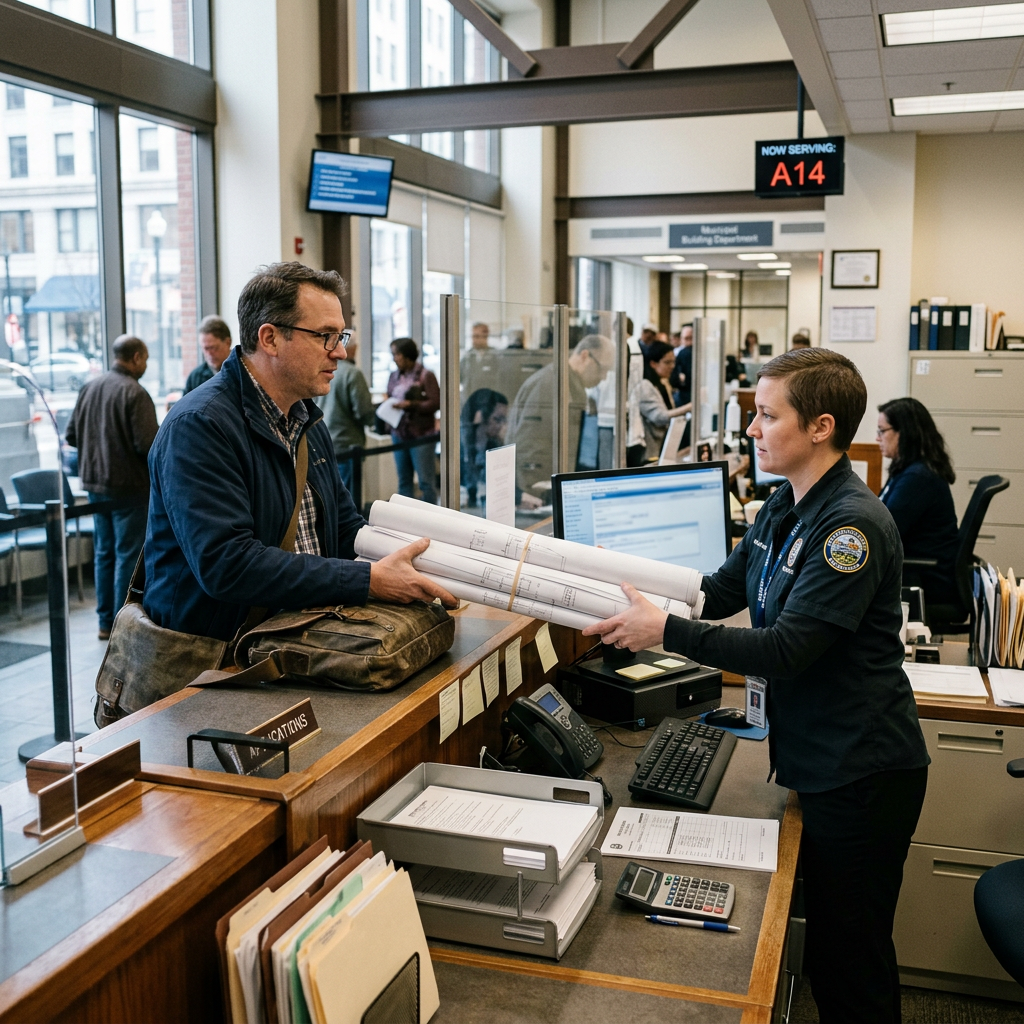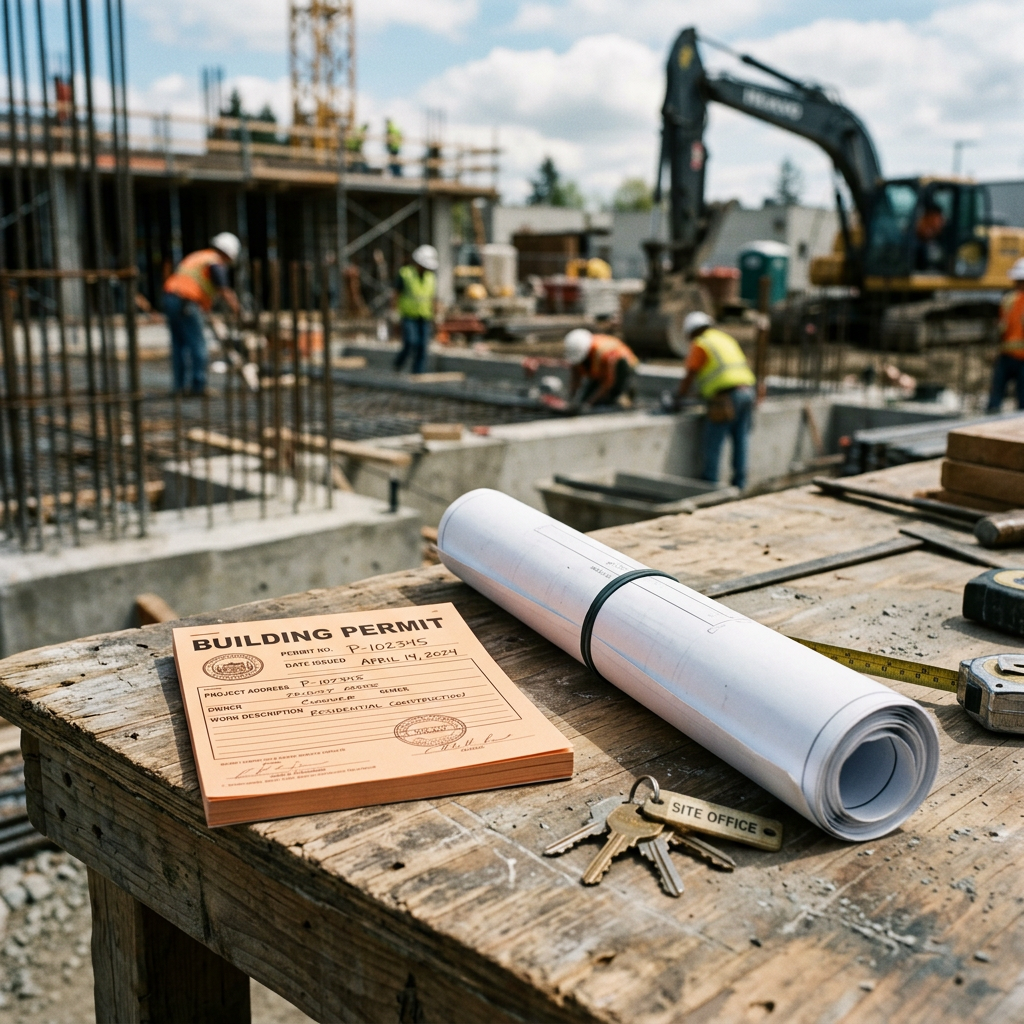
If you are dealing with a red tagged property in California, the notice can feel urgent, confusing, and expensive all at once. In plain terms, a red tag usually means a building official, fire official, or safety inspector has determined that a structure, unit, or work area is unsafe to occupy or use, or that serious code or permit issues must be addressed before normal use can continue.
For owners, buyers, landlords, contractors, and tenants, the key question is not just what the tag means, but what comes next. In California, the answer usually involves a mix of inspection findings, correction notices, the local building permit process, and accurate documentation of existing conditions. FastAsBuilt helps property owners across California by field-measuring buildings and producing permit-ready CAD drawings that can support architects, engineers, and contractors as they work through corrections and approvals.
What a red tag means in California
A red tag is generally a formal notice that all or part of a property cannot legally or safely be occupied, used, or worked on until the cited issues are fixed. The exact wording varies by city or county, but the common idea is the same: the local authority has found conditions serious enough to stop occupancy, stop work, or both.
Red tags often appear after:
- Building inspections during active construction
- Code enforcement investigations
- Fire or life-safety inspections
- Complaints from neighbors or tenants
- Post-disaster safety evaluations after earthquakes, fires, storms, or vehicle impacts
- Discovery of unpermitted work during a sale, refinance, or remodel
In practice, “red-tagged” can mean different things depending on the agency involved. One jurisdiction may post a notice that prohibits occupancy. Another may issue a stop-work order tied to permit violations. Some cases involve both unsafe occupancy and unapproved construction. That is why you should read the notice carefully and confirm the scope directly with the issuing department.

Common reasons a property gets red-tagged
There is no single statewide list that covers every situation, but the most common causes are serious health, safety, structural, electrical, plumbing, mechanical, fire, or egress problems. Some red tags are tied to hazardous conditions that must be addressed immediately. Others begin as permit problems that become occupancy problems when the work affects life safety.
Unsafe structural or physical conditions
- Fire damage, earthquake damage, or severe water intrusion
- Damaged foundations, framing, decks, balconies, stairs, or retaining elements
- Roof collapse risk or major deterioration
- Broken or compromised means of egress
Electrical, gas, and mechanical hazards
- Exposed wiring or overloaded panels
- Improperly installed gas lines or gas leaks
- Unsafe water heaters, furnaces, or venting
- HVAC work installed without required safety clearances
Fire and life-safety violations
- Blocked exits or missing required egress windows and doors
- Missing fire separation between units or garages
- Disabled alarms or life-safety systems
- Illegal occupancy of spaces not approved for sleeping or dwelling use
Serious permit or use issues
- Conversions of garages, basements, or commercial spaces without approvals
- ADUs or additions built without permits
- Tenant improvements that do not match approved plans
- Work that failed inspection and continued anyway
Many owners first learn about these risks when trying to legalize prior work. If that is your situation, it helps to understand what happens if you build without a permit in California before you contact the city. The goal is not to panic, but to prepare for a documentation and correction process.
Red tag, stop-work order, and yellow tag: not always the same thing
People often use these terms interchangeably, but they do not always mean the same thing. A stop-work order usually tells you to halt construction activity because of permit or inspection violations. A red tag often goes further by restricting use or occupancy because of unsafe conditions. A yellow tag, especially after a disaster, may mean limited entry or restricted use pending further evaluation.
California jurisdictions may use different posting systems, labels, and forms. After an earthquake or fire, a building may be posted with a safety assessment placard. During permitting enforcement, the same building may receive a separate stop-work or code enforcement notice. The practical takeaway is simple: do not assume the meaning based only on the color. Read the text of the notice and ask the jurisdiction what activities are prohibited and what approvals are needed to clear it.
If inspectors are asking for documentation of the current layout, alterations, or structural relationships, existing-condition plans become important. That is where as-built drawings can help the design and permit team understand what is actually on site today.
Need accurate as-built plans?
FastAsBuilt sends a local crew to laser-measure your property and delivers permit-ready 2D or 3D drawings, starting at $900.
See 2D & 3D pricingWho can issue a red tag and what authority they usually have
In California, red-tag-style notices are usually issued by local agencies rather than one single state office. Depending on the problem, that may include the city or county building department, code enforcement division, fire department, housing department, or another authority having jurisdiction. In some cases, multiple agencies are involved at once.
These agencies generally have the power to:
- Order work to stop
- Restrict or prohibit occupancy
- Require permits for corrective work
- Require plans, engineering, testing, or special inspections
- Assess fees, penalties, or reinspection charges according to local rules
- Refer severe cases for further enforcement
The exact process depends on local ordinances and the California codes adopted by that jurisdiction. For example, a coastal city, hillside area, or high-fire zone may have extra review layers. Multifamily housing may trigger housing or fire review in addition to standard building review. Older buildings may also be evaluated under the California Existing Building Code, which can affect how repairs or legalization are handled. If you need background on that framework, see what the California Existing Building Code covers.
What happens right after a property is red-tagged
The first phase is about immediate compliance and safety. If the notice says the property, unit, or work area cannot be occupied, you should follow that instruction. If utilities are shut off or restricted, do not restore them without authorization. If active construction has been stopped, continuing work can make the situation worse.
Most cases then move into a correction path that includes some combination of the following:
- Reviewing the notice, inspector comments, and any case number
- Contacting the issuing department for clarification
- Documenting existing conditions with photos, measurements, and plan drawings
- Hiring the appropriate professionals, which may include a contractor, architect, engineer, or expeditor
- Applying for permits to correct violations or legalize work
- Completing repairs or modifications
- Scheduling reinspections
- Obtaining sign-off and release of the notice
Timing varies widely. A simple enforcement issue involving unpermitted interior work may be resolved faster than a structurally damaged or partially occupied building with multiple agencies involved. If you are trying to estimate the permit side of the timeline, this overview of how long it takes to get a building permit in California is a useful starting point.
Why existing-condition plans matter so much in red-tag cases
When a property has been red-tagged, one of the biggest obstacles is uncertainty about what exists. Inspectors may know something is wrong, but they may not have a full measured record of walls, openings, stair geometry, ceiling heights, added rooms, converted garages, equipment locations, or previous alterations. Designers and engineers cannot propose reliable corrections if the base information is incomplete.
That is why measured as-built drawings are so often part of the solution. They create a documented snapshot of existing conditions that the permit team can build from. Depending on the project, the drawings may include floor plans, exterior elevations, building sections, roof plan information, door and window locations, and field-verified dimensions.
FastAsBuilt provides field-measured as-built drawings and measured floor plans across California. Our local crews serve Southern California, the Bay Area, and San Diego. We use on-site laser measurement, then senior drafters produce permit-ready CAD files in PDF and DWG format. For many homes and small buildings, this gives the architect, engineer, or contractor a clean base to prepare correction plans.
For straightforward residential documentation, 2D As-Built Plans start at $900 for up to 1,500 square feet, then $0.50 per square foot, with one revision and typical 48–72 hour delivery. For more detailed modeling, 3D As-Built Plans start at $1,500, then $1.00 per square foot, and include a 3D model plus 2D floor plans, elevations, and sections, with two revisions and typical 3–5 business day delivery. Commercial spaces, ADUs, SB 9 projects, and tenant improvements are quoted individually. You can review options or place a request at our packages page.
Turnaround times are estimates and may vary based on project complexity and scheduling.
How a red-tagged property usually gets cleared
Clearing a red tag usually means satisfying the issuing agency that the unsafe conditions or permit violations have been corrected. The exact path depends on whether the case is mainly about dangerous conditions, unpermitted work, occupancy misuse, or failed inspections.
A typical clearance sequence
- Get the notice details in writing, including correction items if available
- Verify whether the case requires architectural, structural, MEP, or fire-life-safety plans
- Prepare existing-condition drawings if current plans do not exist or cannot be trusted
- Develop corrective plans and submit them for plan check
- Obtain permits before starting corrective work, unless the jurisdiction authorizes emergency stabilization first
- Complete repairs using licensed trades where required
- Pass final or follow-up inspections
- Obtain written clearance or removal of the notice
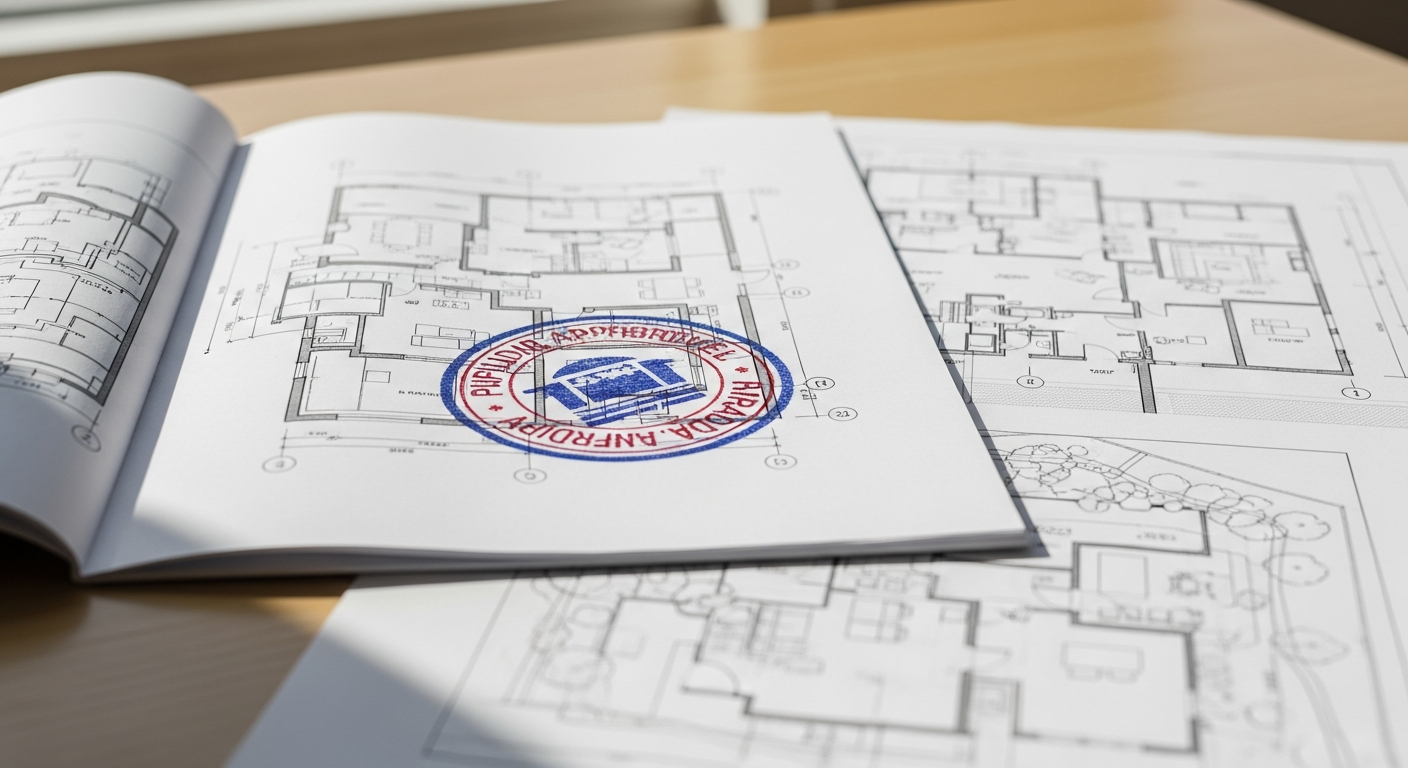
One reason cases stall is that submitted plans do not clearly show the before-and-after conditions. Missing dimensions, unverified layouts, and undocumented prior changes can trigger plan check comments and resubmittals. This is a common reason permits get rejected for missing existing conditions.
In some cases, the local building department may allow portions of existing work to remain if they can be shown to comply, or if they can be brought into compliance with targeted modifications. In others, walls, stairs, decks, or entire conversions may need to be removed or rebuilt. You should confirm the local standard with the jurisdiction rather than relying on assumptions from another city.
Special California situations that can lead to red-tag complications
California properties often carry extra permitting and code issues that make red-tag cases more complex. A few examples come up often.
Unpermitted ADUs, garage conversions, and SB 9 projects
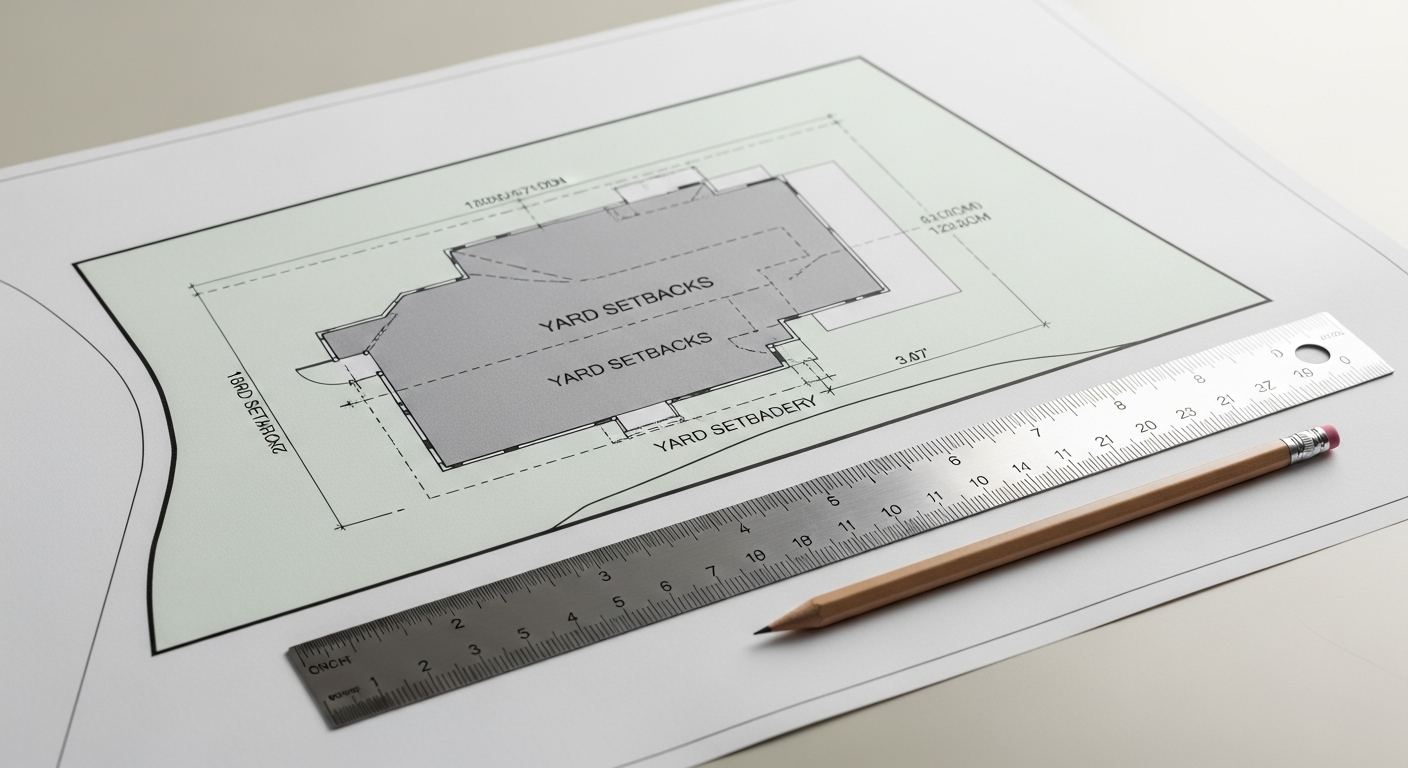
Owners may create living space before approvals are complete, especially with garage conversions, ADUs, or lot-split and duplex concepts under SB 9. If discovered, the city may require full documentation of the existing work, zoning review, and building corrections before occupancy can continue. Setbacks, lot coverage, parking rules, fire separation, and utility arrangements may all matter depending on the site and local ordinance.
Multifamily balconies, decks, and exterior elements
In apartment and condominium settings, structural deterioration of elevated exterior elements can create urgent enforcement issues. California laws such as SB 721 and SB 326 generally relate to inspection and maintenance responsibilities for certain exterior elevated elements in multifamily properties and associations. They do not create the red tag themselves, but inspection findings under those frameworks can lead to local enforcement if dangerous conditions are discovered. Owners should confirm the current local and property-specific requirements with counsel or the jurisdiction.
Historic or older buildings
Older properties may involve nonconforming conditions, prior undocumented work, or preservation concerns. If a property is under a local historic program or the Mills Act, correction work may require extra review. The California Existing Building Code may offer compliance paths that differ from new construction, but that depends on the scope of work and the jurisdiction’s interpretation.
Energy, accessibility, and change-of-use issues
When illegal work is legalized, the correction process can trigger current code requirements tied to the scope of repair or alteration. That may include portions of Title 24 energy rules, accessibility upgrades for commercial spaces, or occupancy reclassification. These items are highly project-specific, so early review by the permit team is important.
What owners, buyers, landlords, and tenants should do
The right next step depends on your role, but speed and documentation matter for everyone. A red tag is not just a label; it can affect occupancy, financing, insurance, rentability, construction scheduling, and resale.
If you own the property
- Read the notice carefully and comply with any occupancy restrictions
- Ask the issuing department for the exact correction path
- Gather prior permits, plans, inspection records, and disclosures
- Document the site and order measured as-builts if current drawings are missing
- Hire qualified design and construction professionals as needed
If you are buying the property
- Do not treat the issue as only a minor permit cleanup
- Request all notices, case files, and available plan records
- Confirm whether occupancy is restricted and whether utilities are affected
- Price in the time and cost of plan check, corrections, and reinspections
If you are a landlord or property manager
- Prioritize life safety and habitability questions immediately
- Coordinate with counsel if tenant relocation or access restrictions are involved
- Keep a written record of inspector communication and corrective steps
If you are a tenant
- Ask the owner or manager for written clarification from the city or county
- Do not assume the space is legal or safe to occupy if a notice is posted
- Seek local legal or housing guidance if your housing situation is affected
If the problem traces back to prior undocumented remodeling, it may also help to understand whether a given scope needed approval in the first place. For example, many owners ask when as-built drawings are needed for a bathroom remodel permit or similar interior work as they sort through old alterations.
Frequently asked questions
Is a red-tagged property illegal to live in?
Often yes, at least for the area covered by the notice. A red tag commonly means occupancy is prohibited or restricted because of unsafe conditions or serious violations. But the exact scope matters. Sometimes the whole building is affected; sometimes only one unit, one room, or one construction area. Always verify with the issuing jurisdiction.
Can you sell a red-tagged property in California?
Yes, a red-tagged property can generally still be sold, but the issue can affect value, financing, insurance, and buyer interest. Buyers will want to know whether the property can be occupied, what permits are needed, and how extensive the corrections may be. Clear existing-condition drawings and permit records can make due diligence more manageable.
How much does it cost to clear a red tag?
There is no standard statewide cost. The total depends on the severity of the violations, whether engineers or architects are required, how much demolition or reconstruction is needed, permit and reinspection fees, and whether multiple departments must sign off. If measured documentation is part of the process, FastAsBuilt’s 2D plans start at $900 and 3D plans start at $1,500, with custom quotes for larger or more complex projects.
Do you need as-built drawings to remove a red tag?
Not in every case, but often they are extremely helpful and sometimes practically necessary. If the property lacks reliable plans, or if the city needs to understand what was built versus what was approved, measured as-builts can save time and reduce confusion during plan check and correction design.
Who removes the red tag?
The agency that issued the notice, or another authorized local department involved in the case, typically clears it after required corrections, permits, and inspections are completed. Do not assume the tag is cleared just because repair work is done. You usually need final sign-off or written release from the jurisdiction.
Start with accurate as-builts
Order field-measured 2D or 3D as-built drawings and let a local crew handle the measuring and drafting.
Get instant pricingBottom line
A red tagged property in California is a serious warning that a building, unit, or work area has unsafe conditions or major permit problems that must be resolved before normal use can continue. The fastest path forward is usually to confirm the jurisdiction’s requirements, document the property accurately, prepare permit-ready correction plans, complete the approved work, and obtain written clearance. When missing or unreliable plans are slowing that process down, FastAsBuilt can provide field-measured as-built drawings and measured floor plans across California to give your permit team a solid starting point.