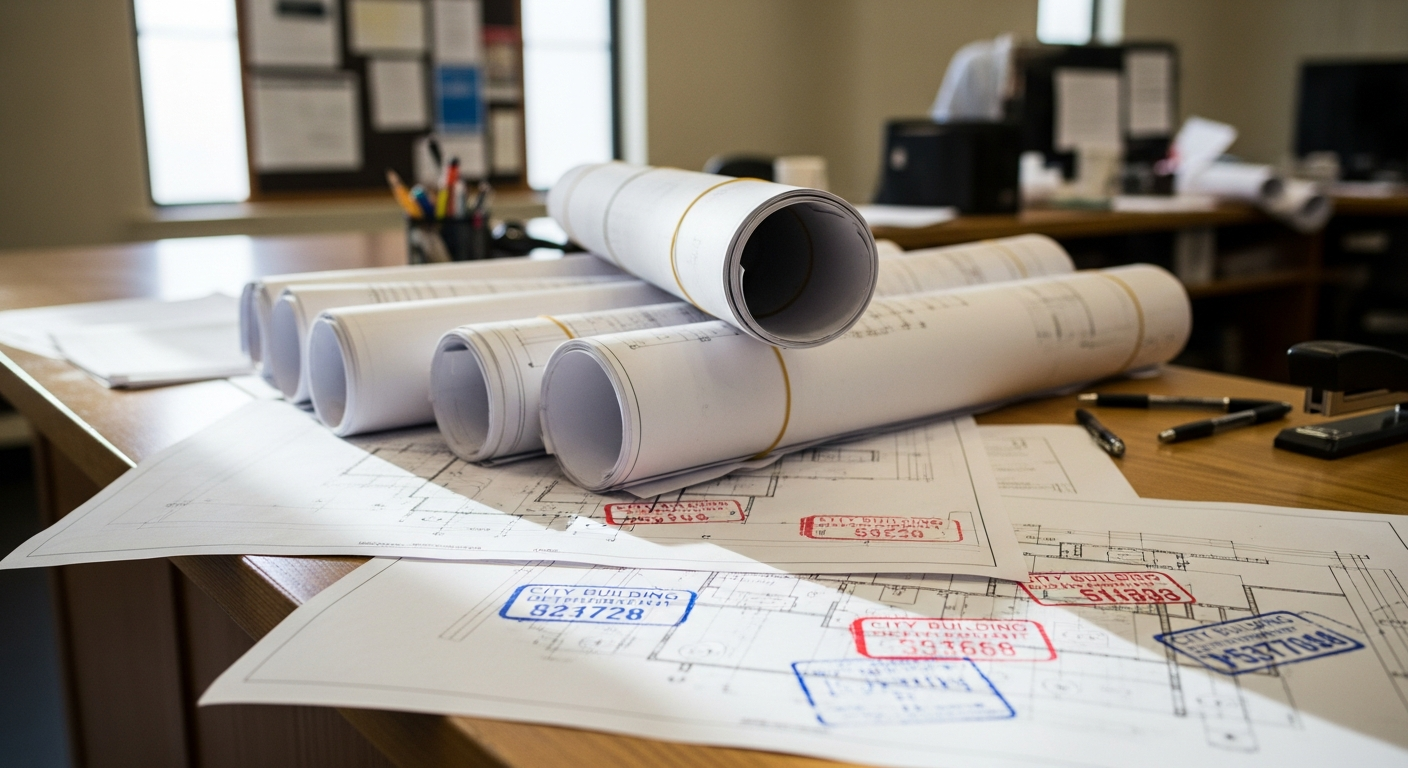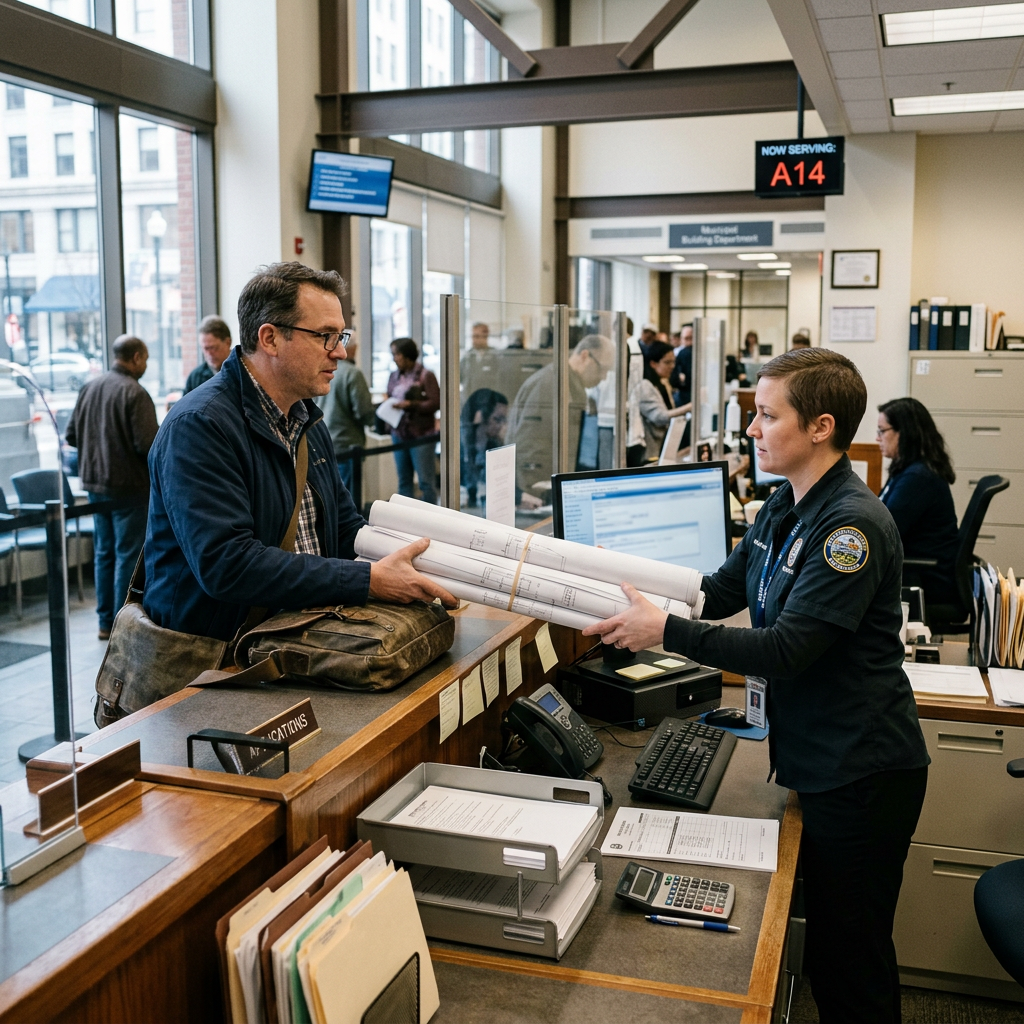
If you need to reinstate expired permit California work, the first thing to know is that there is no single statewide reset button. In California, building departments generally follow the California Building Standards Code, but each city or county sets its own procedures for permit expiration, extensions, reactivation, and reissuance. That means your next step depends on where the project is located, what work was approved, whether inspections started, and how long the permit has been inactive.
The good news is that many expired permits can be revived in some form. Sometimes the department allows an extension or renewal. Sometimes you must submit revised drawings and pay recheck or reissue fees. In other cases, the old permit is closed and you start a new permit application using updated codes and plans. If your original plans do not match what exists on site, accurate measured drawings often become the key document that gets the permit process moving again. For background on the broader system, see our guide to California building permits.
Why building permits expire in California
Most permits do not stay active forever. A building department issues a permit with the expectation that work will start within a certain time and continue without long gaps. If the project does not begin, or if inspections are not called for during a required period, the permit can expire. Some permits also expire because the approved scope changed so much that the original plan set no longer reflects the work.
Common reasons a permit expires include:
- The job never started after approval.
- Demolition or rough work began, but inspections were not requested on time.
- The owner changed contractors and the project stalled.
- Financing, tenant turnover, or design changes paused the work.
- The approved plans no longer match the existing conditions.
- The building department adopted a newer code cycle while the project sat idle.
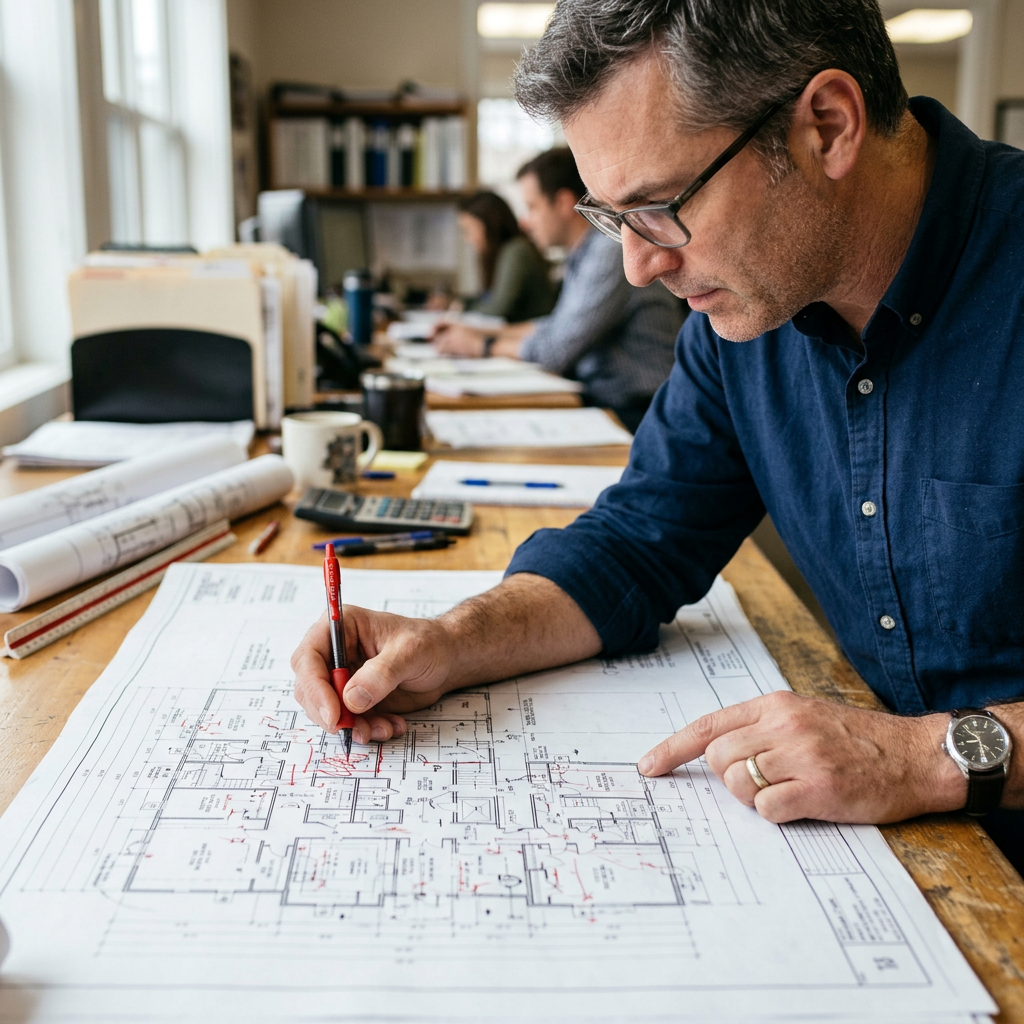
In practice, expiration is often less about punishment and more about risk control. Departments want to know that incomplete work still complies with current safety requirements and that inspectors are reviewing what is actually being built. If the field conditions have drifted away from the approved drawings, that mismatch can create real delays later. That is one reason owners and contractors often need existing-condition drawings that match the site before asking the city to reopen a file.
What “reinstatement” can mean
When people say they want to reinstate an expired permit, they may be describing several different paths. Your local building department may use different terms, so it helps to ask exactly what options are available for your permit number.
You may hear one of these outcomes:
- Extension: the department extends the life of the current permit before or shortly after expiration.
- Renewal or reactivation: the permit is brought back into active status, often with conditions.
- Revision: the original permit stays on file, but revised plans are required to reflect current work.
- Reissue: the city reissues the permit, sometimes with updated valuation, fees, or code review.
- New permit application: the old permit remains expired or closed, and you start over under the current code.
This distinction matters because each path can trigger different submittal requirements. A simple extension may require only a written request and fees. A reissue may require plan check updates. A completely new permit process may require a full existing-conditions package, energy compliance documents, and consultant updates. If you are unsure where your project stands, ask the department whether the permit is expired, finaled, voided, abandoned, or eligible for reactivation.
Start by confirming the permit’s exact status
Before you spend money on revised drawings or consultant work, verify what the building department shows in its system. Online permit portals can be helpful, but they do not always tell the full story. A permit may appear inactive online while a staff member can still see notes about inspections, corrections, or reinstatement eligibility.
Ask for the following information:
- Permit status and expiration date
- Date of the last approved inspection
- Which inspections, if any, remain open
- Whether the permit can be extended, renewed, reissued, or must be replaced
- Whether current codes will apply to all work or only unfinished work
- Whether revised plans are required before any further inspection
- Whether contractor changes or owner-builder paperwork must be updated
It is also smart to request copies of the approved plans, inspection history, correction notices, and any plan check comments if you do not already have them. These records help you compare the approved design against what exists today. If you are missing approved drawings, measured field documentation can help rebuild the permit record. FastAsBuilt prepares as-built drawings from on-site laser measurements so owners and design teams can start from accurate conditions.
Need accurate as-built plans?
FastAsBuilt sends a local crew to laser-measure your property and delivers permit-ready 2D or 3D drawings, starting at $900.
See 2D & 3D pricingHow local departments usually evaluate an expired permit
Once you contact the jurisdiction, staff will typically look at three things: time, scope, and code impact. First, how long has the permit been expired or inactive? Second, how much of the original work was completed, and does the site match the approved plans? Third, have current codes changed enough that updated review is needed?
For example, a permit that expired recently with only minor unfinished work may be easier to reactivate than a permit that has been dormant for years. A kitchen remodel that stalled after rough inspections may be simpler than an addition where framing, layout, and openings changed in the field. The more the built work differs from the plans, the more likely the department will require revised drawings.
Departments may also consider whether other approvals are tied to the building permit, such as planning, coastal, fire, public works, historic review, or HOA requirements. If those approvals expired too, the path can become more involved. California projects also sometimes need to account for broader code issues such as accessibility, structural changes, or energy compliance under Title 24. The exact requirement depends on the scope and the local interpretation, so always confirm with the jurisdiction handling your file.
Documents you may need to reinstate expired permit California projects
Every city and county has its own checklist, but most reinstatement efforts involve a mix of administrative forms and updated technical documents. The more organized your package is, the faster staff can tell you whether the permit can move forward.
Typical administrative items
- Permit number and project address
- Written request for extension, renewal, or reissue
- Owner authorization or agent authorization
- Updated contractor information or owner-builder verification
- Outstanding fees, reissue fees, or recheck fees
Typical technical items
- Original approved plans, if available
- Revised plan set showing unfinished work and any field changes
- Site plan, floor plans, elevations, and sections as needed
- Structural updates if framing or openings changed
- Title 24 documentation if the scope triggers energy updates
- Product data, deferred submittals, or engineering calculations if requested
- Existing-condition or as-built drawings if actual conditions are unclear
Many stalled permits get delayed again because the existing building is not documented well. Plan reviewers cannot approve a restart when they cannot tell what was built, what remains, and what changed. That is why measured plans are often the practical first step, especially for remodels, additions, ADUs, and tenant improvements. You can also review how to submit as-built drawings to the building department if you want a clearer picture of how these documents fit into plan review.
When you need updated as-built drawings
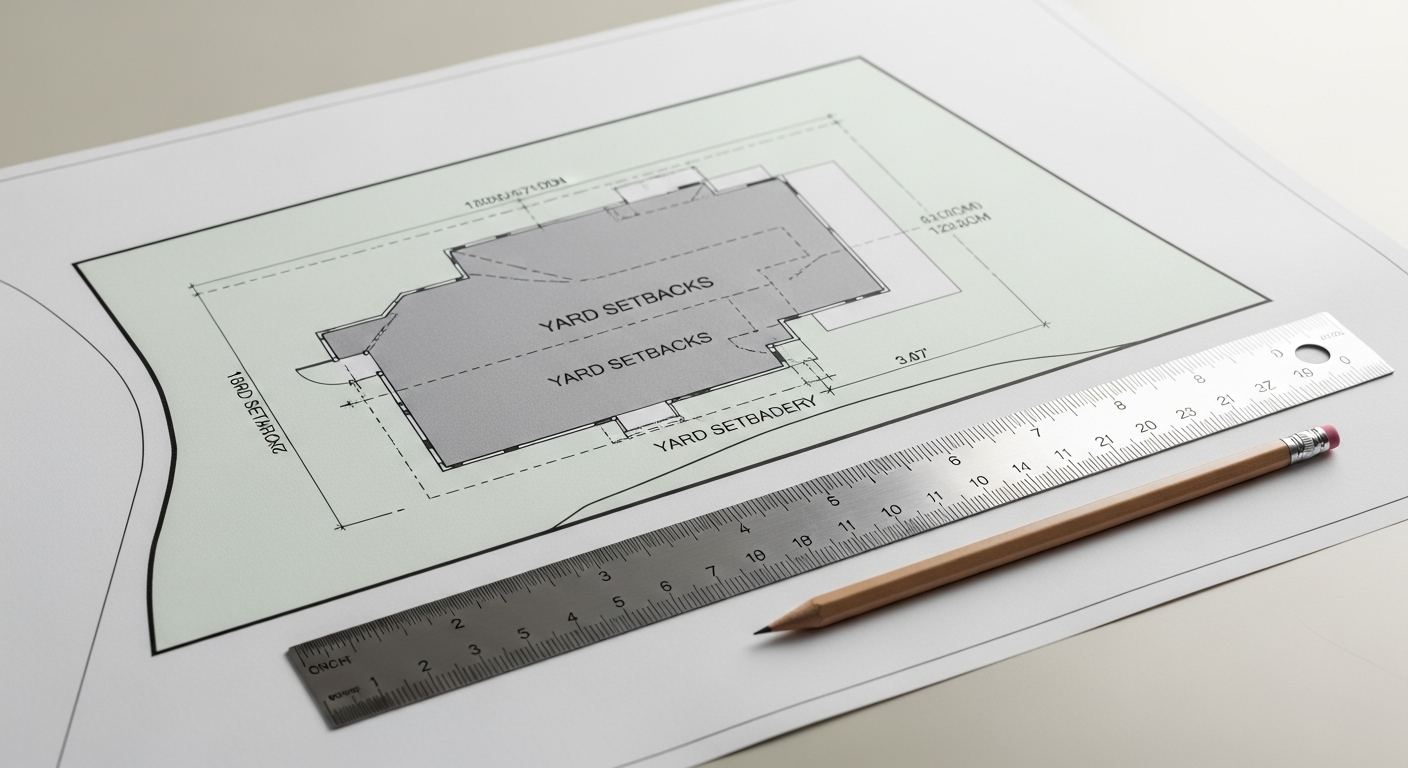
Not every expired permit requires a fresh drawing package, but many do. If the approved plans are old, incomplete, or no longer match the property, the department may ask for current measured drawings before it will reactivate the permit or accept revisions. This is especially common when work was partially completed without final inspection.
You should strongly consider updated as-built drawings if:
- Walls, doors, windows, or plumbing fixtures moved from the approved layout.
- There is no reliable plan set showing what currently exists.
- The project changed hands and records are incomplete.
- The department issued corrections based on missing existing conditions.
- You need a designer or engineer to prepare permit revisions from accurate base plans.
FastAsBuilt provides field-measured as-built drawings and measured floor plans across California, using on-site laser measurement followed by permit-ready CAD drafting in PDF and DWG. Our 2D As-Built Plans start at $900 for up to 1,500 square feet, then $0.50 per square foot, include one revision, and are typically delivered in 48 to 72 hours. Our 3D As-Built Plans start at $1,500, then $1.00 per square foot, include a 3D model plus 2D floor plans, elevations, and sections, include two revisions, and are typically delivered in 3 to 5 business days. If you want to compare options, visit our packages page. For many owners, that accurate drawing set becomes the foundation for permit revisions, consultant coordination, and final inspections.
Turnaround times are estimates and may vary based on project complexity and scheduling.
How code changes can affect a reactivated permit
One of the biggest worries with an expired permit is whether the job must now comply with newer codes. In California, that answer depends on the jurisdiction, the age of the permit, the extent of completed work, and whether the department treats the matter as a continuation of the old permit or a new permit process.
Staff may allow previously approved work to remain, while requiring unfinished or revised portions to meet current standards. In other cases, substantial changes can trigger broader updates. Issues may involve life safety, structural elements, accessibility, or energy compliance under Title 24. Existing buildings can also fall under the California Existing Building Code for certain alterations, repairs, and additions. If that topic applies to your project, see this overview of the California Existing Building Code.
For residential projects, owners sometimes assume an old permit lets them keep an outdated layout forever. That is not always true. If you are changing windows, insulation, mechanical systems, lighting, or major assemblies during a restart, current energy and safety requirements may come back into play. The right approach is to ask the building department which parts of the project will be reviewed under the current code cycle and have your design team respond accordingly.
What to do if work was completed without final inspection
This is a very common situation. The permit expired, the project looks finished, and now you want closure because you are refinancing, selling, leasing, or starting another remodel. In that case, the department may want to verify what was built before allowing final approval. Depending on the work, that can involve visual inspection, opening concealed areas, engineering letters, or revised plans showing the completed condition.
Your options often include:
- Requesting a final inspection if the permit is still eligible for reactivation.
- Submitting revisions that document completed field changes.
- Providing as-built drawings and consultant letters for items that cannot be verified from the original plans.
- Applying for a new permit to legalize or complete remaining work.
If there is unpermitted work mixed into the original permitted scope, be ready for a more careful review. The department may separate legally approved work from undocumented work and require a path to legalize the latter. That issue often becomes urgent during a sale, where buyers, lenders, or insurers notice discrepancies. Related reading: as-built drawings for selling a house with unpermitted work and what happens if you build without a permit in California.
Practical steps to get the permit process moving again
If you want the smoothest path forward, treat reinstatement as a small project with a clear checklist rather than a quick phone call. Most delays happen because owners contact the city before they have records, then discover the field conditions are unclear, then scramble to assemble drawings after the fact.
- Gather the record. Collect permit number, approved plans, inspection cards, comments, and contractor information.
- Confirm status with the jurisdiction. Ask whether the permit can be extended, renewed, reissued, or must be replaced.
- Compare plans to actual conditions. Walk the site and note all differences from the approved set.
- Order measured drawings if needed. Accurate existing plans help your designer, engineer, and plan reviewer work from the same facts.
- Prepare revisions. Show completed work, unfinished work, and any proposed corrections clearly.
- Submit the right package. Include forms, fees, updated consultant documents, and clear narratives when helpful.
- Plan for inspections. Ask which inspections can proceed and whether any concealed work must be exposed.
If your project involves a kitchen, bath, ADU, or addition, existing-condition accuracy is often the difference between a quick review and a round of corrections. For a related example, see what plans you need for a kitchen remodel permit.
Mistakes that make reinstatement harder
Owners can unintentionally make an expired permit situation worse by assuming the city will simply reopen the old file without questions. The most avoidable problems usually involve documentation gaps or inconsistent information.
- Waiting too long to ask. The longer a permit sits, the more likely records, contractors, and conditions drift.
- Submitting old plans that no longer match reality. This almost always creates plan check comments.
- Skipping field verification. Even small layout changes can affect code review and inspections.
- Assuming online permit status tells the whole story. Staff notes may reveal options not shown publicly.
- Ignoring other expired approvals. Planning, fire, or historic approvals may need attention too.
- Not asking which code cycle applies. This can lead to avoidable redesign later.
Another common mistake is trying to solve a documentation problem with rough sketches when the department really needs a reliable base plan. Measured drawings are especially valuable when ownership changed, contractors disappeared, or the original files are incomplete. If budget is part of the decision, this breakdown of as-built drawing costs in California can help you plan the next step.
Frequently asked questions
Can you reinstate an expired building permit in California?
Often, yes, but the method depends on the local jurisdiction. Some departments allow an extension, renewal, reactivation, or reissue. Others require a new permit application. The key is to confirm the permit’s status, the last inspection date, and whether updated plans are required.
Do you have to bring the project up to current code?
Sometimes. A department may allow previously approved work to remain while requiring unfinished or revised work to comply with the current code cycle. If the permit is too old or the changes are substantial, broader updates may be required. Always confirm the scope of current-code compliance with your city or county.
What if the approved plans are missing or inaccurate?
If the approved plans cannot be found, or they no longer match what exists, measured as-built drawings are often the best starting point. They give your design team and the building department a clear record of current conditions so revisions can be prepared accurately.
Can you get final inspection after a permit expires?
Possibly. Some departments allow the permit to be reactivated long enough to complete inspections and final approval. Others require revised documents or selective demolition to verify concealed work. If the permit cannot be revived, a new permit may be required to legalize or complete the project.
How fast can you get as-built drawings for a permit restart?
FastAsBuilt typically delivers 2D As-Built Plans in 48 to 72 hours and 3D As-Built Plans in 3 to 5 business days, depending on scope. We serve Southern California, the Bay Area, and San Diego with local field crews and senior drafters producing permit-ready CAD files in PDF and DWG.
Turnaround times are estimates and may vary based on project complexity and scheduling.
Start with accurate as-builts
Order field-measured 2D or 3D as-built drawings and let a local crew handle the measuring and drafting.
Get instant pricingBottom line
To reinstate expired permit California projects successfully, start by confirming the permit’s exact status with the local jurisdiction, then line up accurate existing-condition documentation, code updates, and any required revisions before you submit. When the approved plans no longer reflect the site, field-measured as-built drawings can save time, reduce correction cycles, and give your team a clean path through the permit process.