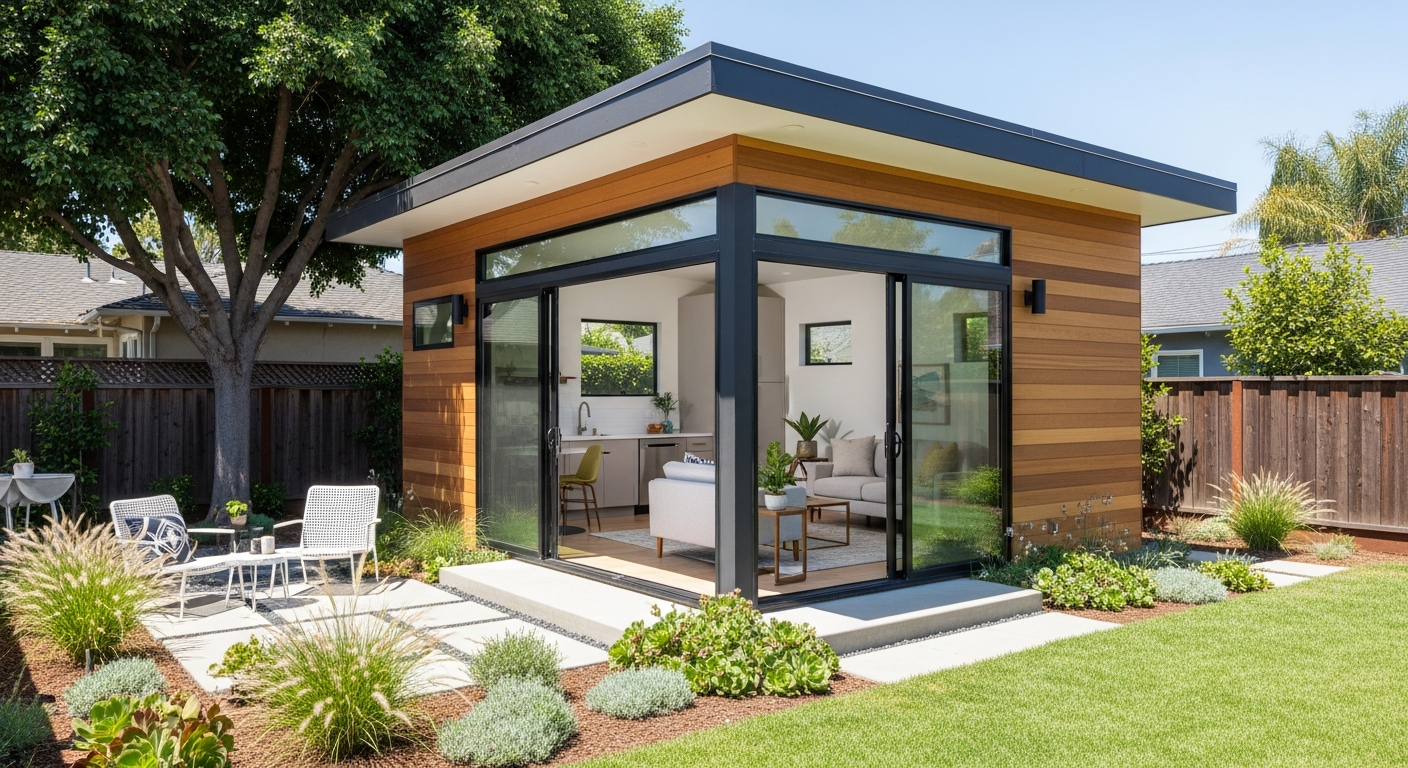
An accessory dwelling unit can change how your property is viewed by buyers, lenders, and appraisers. In many California markets, adding a legal ADU creates more usable living space, more flexibility for multigenerational living, and in some cases more income potential. But adu appraisal value is not automatic. The final number depends on the quality of the unit, its legal status, local demand, and how well the appraiser can support the added value with comparable properties.
If you are planning an ADU, selling a home with one, or refinancing after construction, it helps to understand how appraisals usually work in California. It also helps to know where owners get tripped up: missing permits, unclear square footage, garage conversions with incomplete records, and assumptions that every added square foot is valued the same as the main house. This guide explains what usually matters most, how california adu rules and adu permit requirements affect valuation, and where measured as-built plans can support a cleaner appraisal and permit file.
Why an ADU can increase appraised value
An ADU can improve property value because it adds utility. Appraisers are generally trying to answer a practical market question: what would a typical buyer pay for this property compared with similar properties in the same area? A well-designed ADU may appeal to buyers who want space for family, a home office, a caregiver suite, or future rental use where local rules allow it.
In California, ADUs often matter more than they do in other states because land is expensive and many neighborhoods have strong demand for flexible housing. A detached backyard cottage, a converted garage, or a basement unit may all contribute value if they are legal, functional, and market-supported.
- Additional independent living space can widen the buyer pool.
- Separate entrance, kitchen, and bath can create true secondary housing utility.
- Rental potential may influence what buyers are willing to pay, even if income is not the only valuation method used.
- In high-cost California markets, even modest extra living area can be especially attractive.
That said, appraisers do not simply add a construction cost total to the existing home value. Market reaction matters. In one neighborhood, an ADU may be a major premium feature. In another, it may add less if buyers are more focused on lot size, school district, parking, or the size of the primary home.
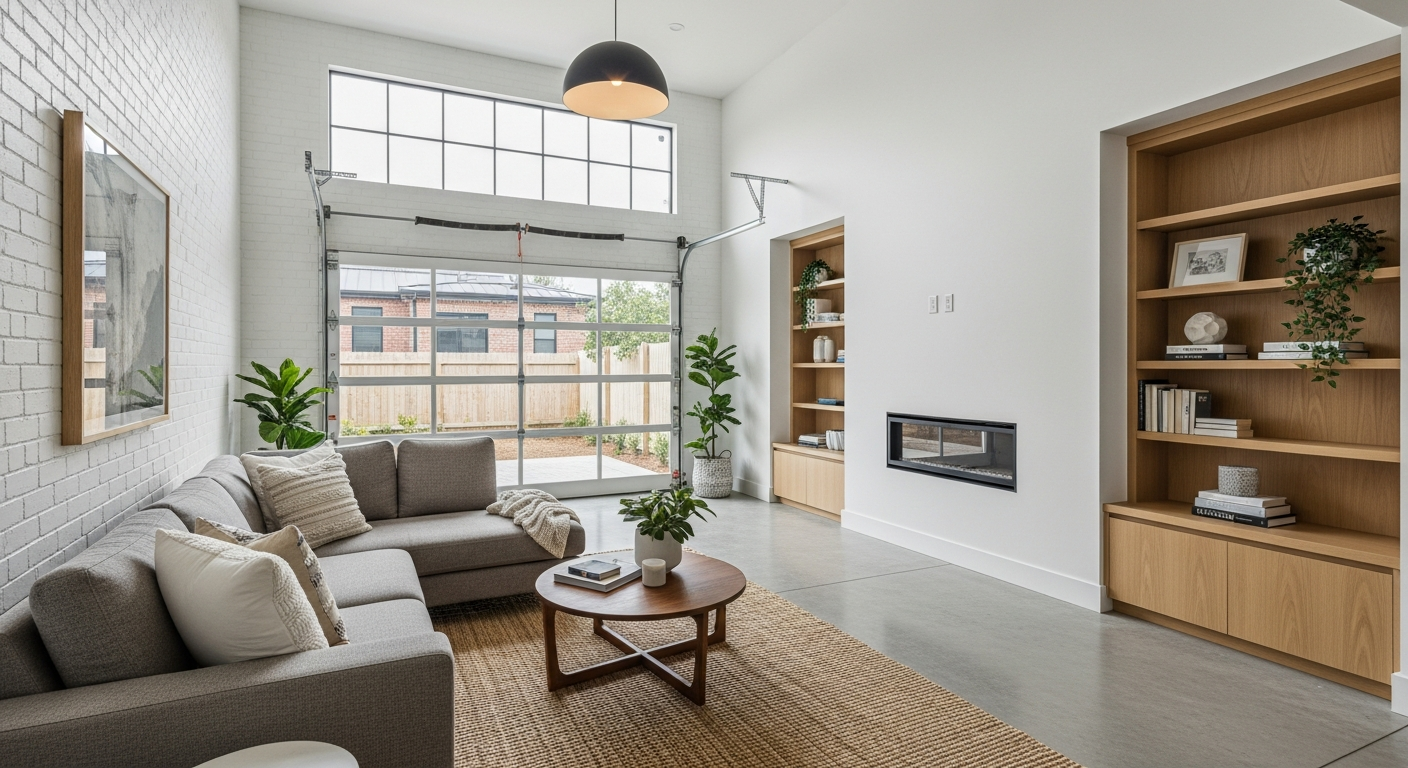
How appraisers usually think about adu appraisal value
Most residential appraisals rely heavily on comparable sales, often called comps. For an ADU property, the appraiser ideally looks for recent nearby sales with similar lot characteristics, primary home size, neighborhood appeal, and a similar accessory unit. That is not always easy. In some California neighborhoods, there still are not many directly comparable ADU sales.
When perfect comps are limited, appraisers may adjust from the best available comparables. They may consider:
- Whether the ADU is detached, attached, or converted from existing space
- Its size, layout, and privacy relative to the main home
- Quality of finishes and construction
- Whether the unit is fully permitted and recognized by the local jurisdiction
- Whether the property has lost key features, such as required parking or garage utility, in the conversion
- Whether local buyers typically pay more for homes with secondary living units
Some appraisers also consider an income approach when the ADU has credible rental utility, especially if that is how buyers in the area think about the property. Even then, they still need to stay grounded in market evidence. Rental potential can support value, but unsupported income assumptions can create problems with lenders.
If you are still early in the project, it is worth learning what plans you need to build an ADU in California. Better documentation at the planning stage usually leads to fewer surprises later when square footage, legality, and configuration are reviewed.
Permits, legality, and why undocumented space can hurt value
One of the biggest factors in adu appraisal value is whether the unit is legal and documented. California owners often assume that if a space looks finished and functions like an apartment, the appraiser will count it the same way as permitted living area. That is not always true.
If the ADU was built with permits and final approvals, the appraiser and lender usually have a cleaner path. If it was created without permits, with partial permits, or with unclear records, the additional space may receive limited recognition or be treated more cautiously. In some cases, lenders may require additional review, corrections, or clarification from the local building department.
Typical issues include:
- Garage conversions completed long ago without permit records
- Accessory structures turned into living space without approved plans
- Differences between assessor records and actual field conditions
- Missing documentation for separate utilities, egress, ceiling heights, or fire-safety requirements
- Confusion over whether the unit is an ADU, a JADU, or simply bonus space
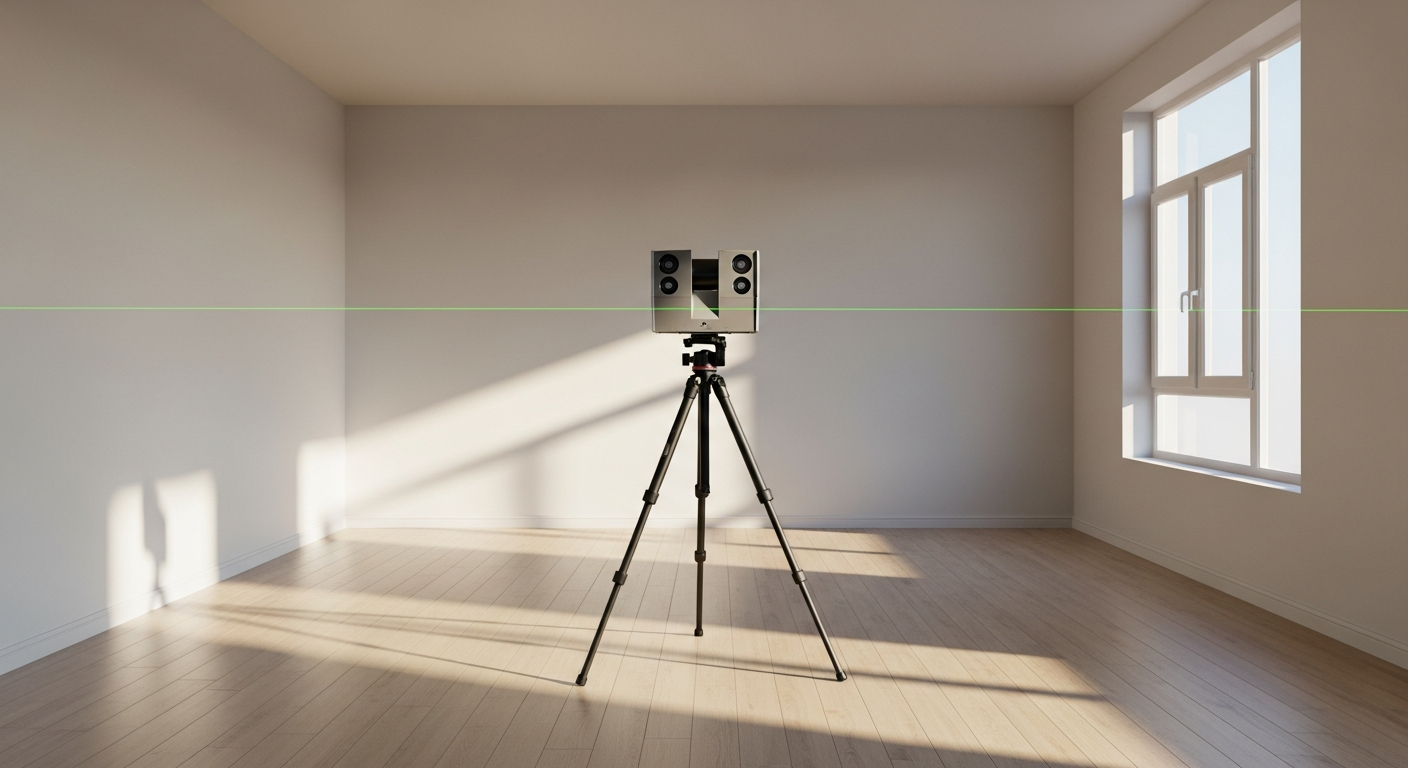
This is where accurate field measurement matters. Measured existing-condition drawings help owners, designers, and permit teams establish what is actually there before pursuing legalization, remodel work, or refinancing. If you are starting from an existing structure, it can help to understand what as-built drawings are and why they are often the first step in documenting current conditions.
California ADU rules shape value because they shape usability
California has made ADUs easier to approve over time, but local application still matters. State law generally limits how much cities can block qualifying ADUs, yet your project still needs to fit site conditions, setbacks, utility needs, fire access, and building-code requirements. In practical terms, california adu rules affect appraisal because they determine whether the unit can be permitted, legally occupied, and marketed with confidence.
Buyers and appraisers tend to respond more positively when a unit clearly fits today’s rules and is not sitting in a gray area. If the property includes an older conversion, current state reforms may help with approval pathways or reduce local barriers, but owners should still confirm current requirements with the city or county handling the property.
Useful examples include statewide ADU changes explained in this California ADU laws guide and process changes discussed in AB 2221 and streamlined ADU approvals. These rules can affect timelines, review standards, and whether an owner can confidently present the unit as a compliant secondary dwelling.
There are also category differences. A junior ADU is not the same as a full ADU, and market reaction may differ because privacy, kitchen features, and independent living capability differ. If that distinction matters for your property, review what a JADU is in California before assuming equal value treatment.
Need accurate as-built plans?
FastAsBuilt sends a local crew to laser-measure your property and delivers permit-ready 2D or 3D drawings, starting at $900.
See 2D & 3D pricingSize, layout, privacy, and design all influence market reaction
Not all ADUs add value in the same way. A bright, private, well-laid-out detached unit often has a different market reaction than a cramped conversion with awkward access through the main house. Appraisers notice the same factors buyers notice.
Size matters, but not in a simple way
More square footage can help, but utility is more important than raw size. A compact one-bedroom with a full kitchen, good natural light, and a separate outdoor area may be more valuable than a larger but compromised layout. Also, extra square footage in an ADU is not always valued at the same rate as space in the main home.
Privacy matters a lot
Separate entry, sound separation, outdoor independence, and parking arrangements can all affect buyer interest. A detached ADU often feels more flexible for guests, family, or rental use. An attached ADU may still add strong value, especially when design and access are handled well.
Design quality affects credibility
Appraisers look at condition and finish level because the market does too. Items that can support value include:
- Code-compliant kitchen and bath
- Consistent flooring, lighting, and HVAC solutions
- Functional ceiling height and windows
- Clean separation from storage or unfinished utility areas
- A layout that reads clearly on plans and in person
If you are comparing formats, this overview of attached versus detached ADU differences can help you think through how design choices may affect both permitting and market appeal.
Rental income potential: helpful, but not a blank check
Many owners assume an ADU automatically creates a major value boost because it could generate rent. Sometimes that is true in broad market terms, but appraisals are usually more restrained than casual online estimates. A buyer may pay more for future income potential, but the appraiser still has to support that premium.
Several factors shape how income potential is viewed:
- Whether local market participants commonly buy these properties for multigenerational use, rental use, or both
- Whether the ADU is legal and habitable
- Whether the unit is separate enough to function independently
- Whether expected rent is realistic for the specific neighborhood and unit type
- Whether occupancy restrictions, HOA rules, or other local constraints affect use
In other words, income potential may strengthen adu appraisal value, but it has to be tied to the actual property and market. A detached, permitted unit in Los Angeles may be viewed differently from a partially converted space in a suburb where ADU resale comps are scarce and buyers are less rent-focused.
Owners should also be careful not to confuse short-term rental assumptions with standard market value. Appraisers and lenders are typically more comfortable with conventional, supportable residential use than with aggressive vacation-rental projections.
Garage conversions, basements, and other common California ADU types
California ADUs come in many forms, and appraisal treatment often depends on the starting structure. Garage conversions are common because they can be cost-effective and may avoid some site constraints. But they also raise recurring questions about legality, insulation, ceiling height, parking changes, and whether the converted area truly meets habitable standards.
A basement conversion can add value too, but only if the space functions as legal living area under applicable code and local review standards. Moisture control, ventilation, light, egress, and ceiling height often become critical issues. Detached accessory structures and above-garage units bring their own structural and access questions.
Some useful planning resources include how to get as-built plans for a garage conversion ADU and guidance on basement ADU conversions in California. These project types can absolutely support value, but they need accurate existing-condition documentation and a realistic understanding of adu permit requirements before owners rely on a future appraisal bump.
For older homes, measured plans are often especially important because field conditions do not always match prior records. FastAsBuilt provides field-measured as-built drawings and measured floor plans across California, with local crews serving Southern California, the Bay Area, and San Diego. We use on-site laser measurement, and senior drafters turn that field data into permit-ready CAD files in PDF and DWG format.
How measured as-built plans can support refinancing, sales, and permit cleanup
When a lender, buyer, architect, or city reviewer is looking at an ADU property, confusion is expensive. If square footage is uncertain, walls do not match old plans, or an old garage conversion was never documented properly, the transaction can slow down fast. Clear as-built drawings help establish a factual baseline.
Measured as-built plans are especially useful when you need to:
- Document existing conditions before designing a new ADU
- Prepare a permit package for legalization or remodel work
- Show the exact footprint and layout of an existing accessory unit
- Coordinate architecture, structural, and MEP consultants
- Support a listing package with clearer square footage and layout information
FastAsBuilt offers 2D As-Built Plans starting at $900 for up to 1,500 square feet, then $0.50 per square foot, with one revision and typical 48–72 hour delivery. For projects that need more detail, 3D As-Built Plans start at $1,500, then $1.00 per square foot, and include a 3D model plus 2D floor plans, elevations, and sections, with two revisions and typical 3–5 business day delivery. Custom projects such as commercial work, ADUs, SB9 projects, and tenant improvements are quoted individually. If you are ready to start, you can request service through the order page.
Turnaround times are estimates and may vary based on project complexity and scheduling.
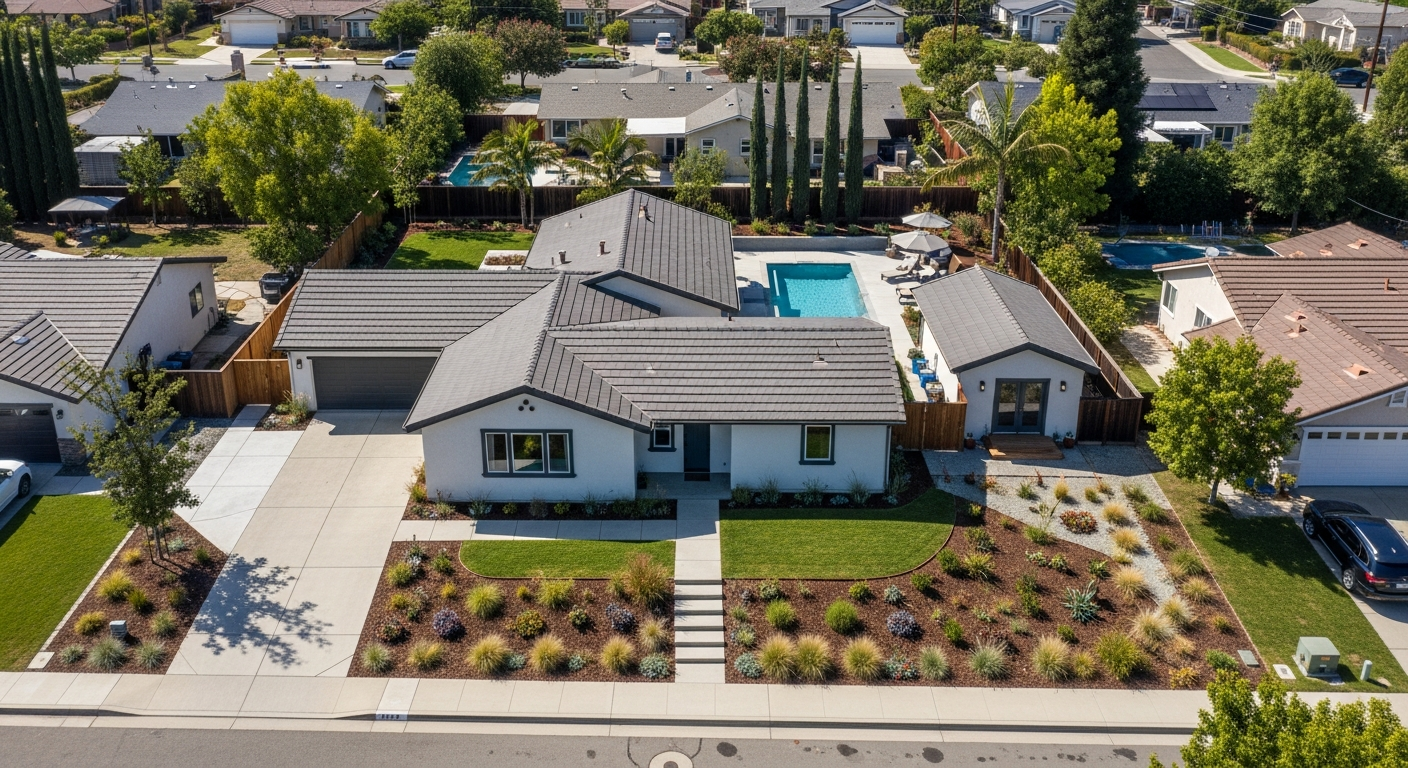
What owners can do before an appraisal to avoid leaving value on the table
You cannot control the market, but you can make the property easier to understand and easier to defend. Owners who prepare well often have a better chance of a smooth appraisal process.
- Gather permit records, final sign-offs, and any certificates or approvals tied to the ADU.
- Prepare accurate floor plans showing the main house and ADU layout.
- List recent upgrades such as new roofing, HVAC, windows, plumbing, or electrical work.
- Provide realistic neighborhood ADU comps if your agent or appraiser requests them.
- Clarify how the unit is used: family housing, long-term rental, guest suite, or office with kitchen and bath.
- Resolve obvious deferred maintenance that could distract from the ADU’s value.
It also helps to be careful in how the property is described. If the ADU is not fully permitted, avoid overstating status in a listing or refinance package. If you are in the middle of cleanup work, say so clearly and document the process. A credible file usually performs better than an optimistic one.
For owners still planning scope, reviewing how big an ADU can be in California can help balance construction goals with what the lot and local review path will actually support.
Frequently asked questions
Does every ADU add the same amount of value?
No. Adu appraisal value depends on legality, design, size, privacy, location, and buyer demand in the immediate market. A detached, permitted ADU in a high-demand California neighborhood may add much more than an awkward conversion with incomplete records.
Will an appraiser count my ADU square footage the same as the main house?
Not necessarily. Appraisers often distinguish between the primary residence and accessory living space, even when the ADU is fully permitted. The value contribution is based on market reaction, not just a flat price-per-square-foot calculation.
Can an unpermitted ADU still help my appraisal?
It may have some market influence if buyers see utility in the space, but unpermitted or unclear space usually creates more risk and often receives more limited value recognition. It can also complicate lending, insurance, and resale. Owners should confirm legalization options with the local jurisdiction before relying on full value treatment.
Do california adu rules guarantee approval if I want to build or legalize a unit?
State law has made ADUs more accessible, but approval is not automatic in every situation. Site conditions, fire access, utility issues, structural conditions, and local submission requirements still matter. Always confirm current rules and adu permit requirements with the city or county reviewing your project.
When should I get as-built drawings for an ADU project?
As early as possible if existing conditions are unclear. They are especially useful before design starts, before permit submittal, when converting a garage or accessory structure, or when preparing for refinance or sale and the current layout does not match available records.
Start with accurate as-builts
Order field-measured 2D or 3D as-built drawings and let a local crew handle the measuring and drafting.
Get instant pricingBottom line
An ADU can increase your home’s appraised value, but the strongest results usually come from legal, well-designed, well-documented units that match what California buyers actually want. If you are building, converting, legalizing, selling, or refinancing, accurate measured plans can make the property easier to permit, easier to explain, and easier to value with confidence.