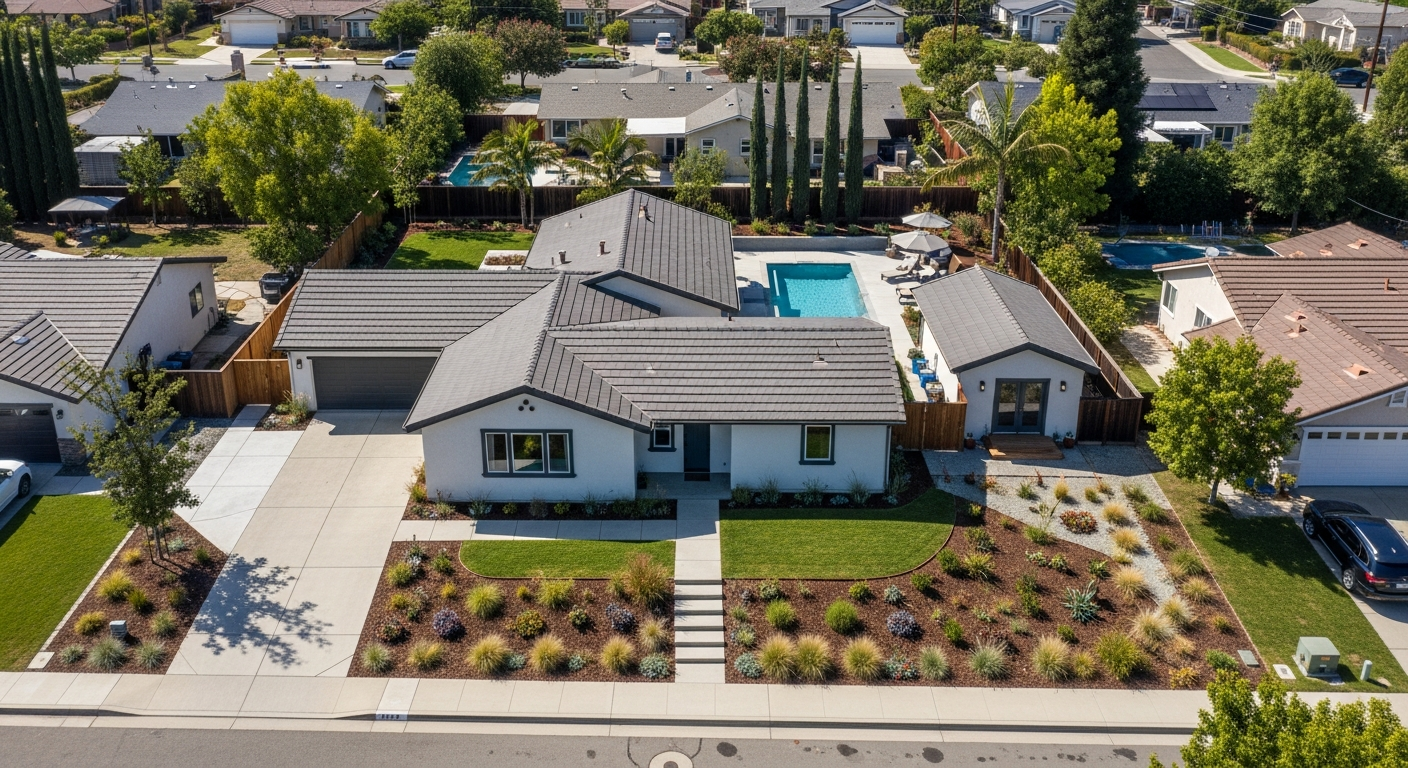
If you are planning an accessory dwelling unit, one of the first financial questions is simple: will an adu property tax increase follow? In California, the short answer is usually yes—but not in the way many homeowners fear. Adding a permitted ADU commonly triggers a reassessment of the new construction value you add, rather than a complete reassessment of your entire property at current market value.
That distinction matters. California property tax rules are shaped by long-standing assessment limits, but improvements such as new living space can still create a higher assessed value for the added portion. The practical result is that your tax bill may go up after an ADU is built, finalized, and recorded, while the original home often keeps its existing base-year value treatment. Because local assessor practices and project details can vary, it is always smart to confirm your situation with the county assessor and your local building department before you finalize plans.
How ADUs usually affect property taxes in California
For most homeowners, an ADU does not mean the county wipes out your current tax basis and reassesses the entire parcel from scratch. Instead, the assessor typically looks at the value of the newly constructed improvement. That added value is then enrolled on top of the existing assessment.
In plain terms, think of the tax question in two parts:
- Your existing house and land generally continue under their current assessment framework.
- Your new ADU, garage conversion, addition, or other qualifying improvement may create an added assessed value.
This is why two neighbors can build similar ADUs and still see different tax outcomes. The increase depends on the type of project, cost, scope, condition of the existing structure, and how the county assessor classifies the work. A detached new-build ADU may be treated differently from a simple interior conversion with minimal structural changes. Likewise, a large attached addition that creates independent living space may add more assessed value than a modest conversion of existing area.
If you are still deciding what to build, it helps to understand both the design path and the tax implications early. FastAsBuilt often supports owners at the first step by preparing field-measured plans that show what already exists. If you need a primer on the document itself, see what as-built drawings are.
Why many homeowners worry about a full reassessment
The fear usually comes from a common misunderstanding: if you improve your property, the government will tax the whole property as if you just bought it today. In California, that is not typically how an ADU project works. The more common scenario is a partial reassessment tied to the value of the improvement.
That said, homeowners are right to pay attention. Property taxes can rise for several reasons connected to an ADU project:
- New square footage adds taxable improvement value.
- A conversion may change how an existing area is classified.
- Permit records give the assessor clear documentation of the work performed.
- Related upgrades, such as major additions or structural reconstruction, may increase the enrolled value beyond the ADU alone.
The key issue is not whether permits are “noticed.” Properly permitted work is exactly what you want. The real question is how much new value the assessor attributes to the completed project. That is one reason owners should keep organized records of scope, contracts, plans, and inspection history.
What kinds of ADU projects tend to increase taxes the most
Not all ADUs affect taxes in the same way. As a general rule, projects that create entirely new habitable area from the ground up often produce a larger assessed-value increase than projects that repurpose existing enclosed space.
Detached ADUs
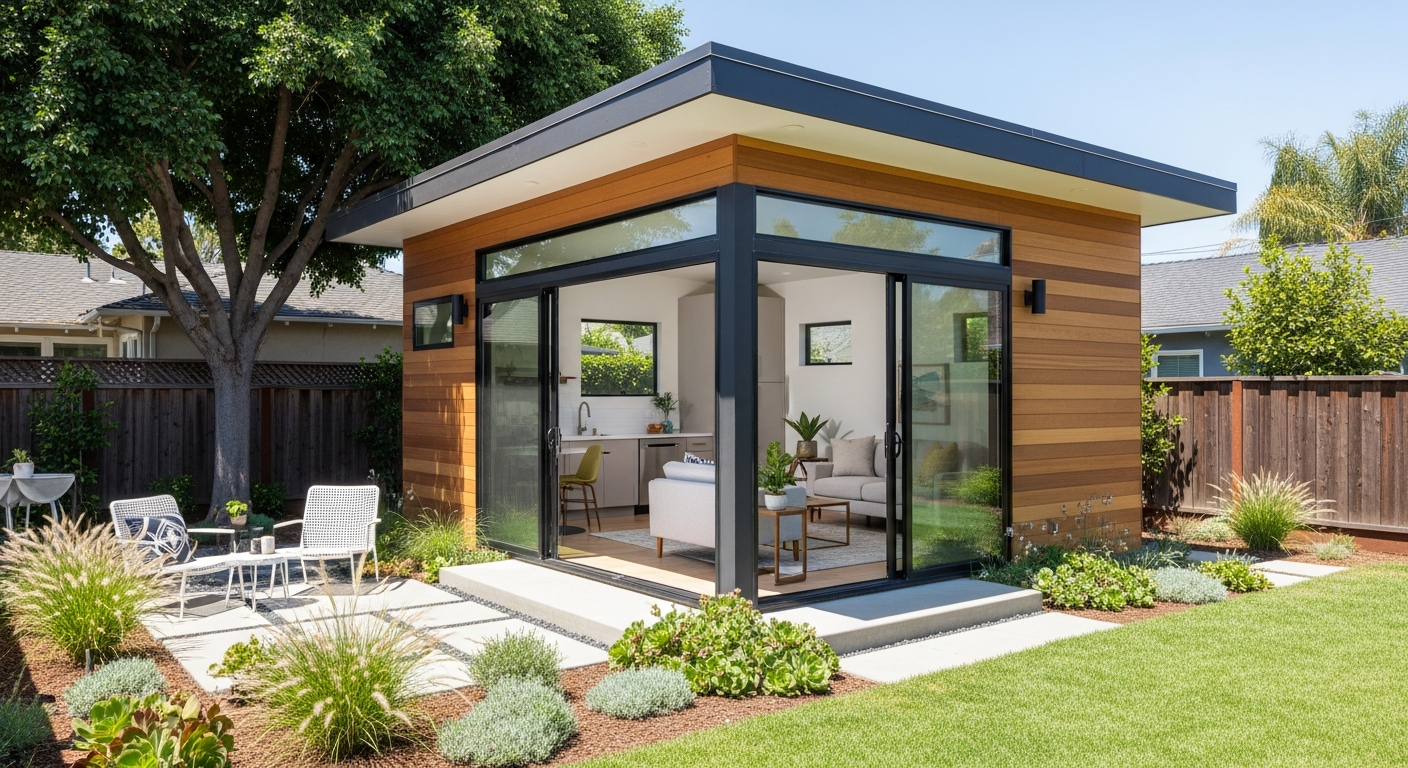
A detached backyard ADU often adds substantial new improvement value because it is new construction. Foundation work, framing, roofing, utilities, insulation, finishes, and independent kitchen and bath components all contribute to the final valuation picture.
Attached ADUs
An attached ADU can also raise taxes significantly, especially when it is built as a true addition to the house. The scope may involve structural changes, new exterior walls, and larger mechanical or electrical upgrades.
Garage conversions and interior conversions
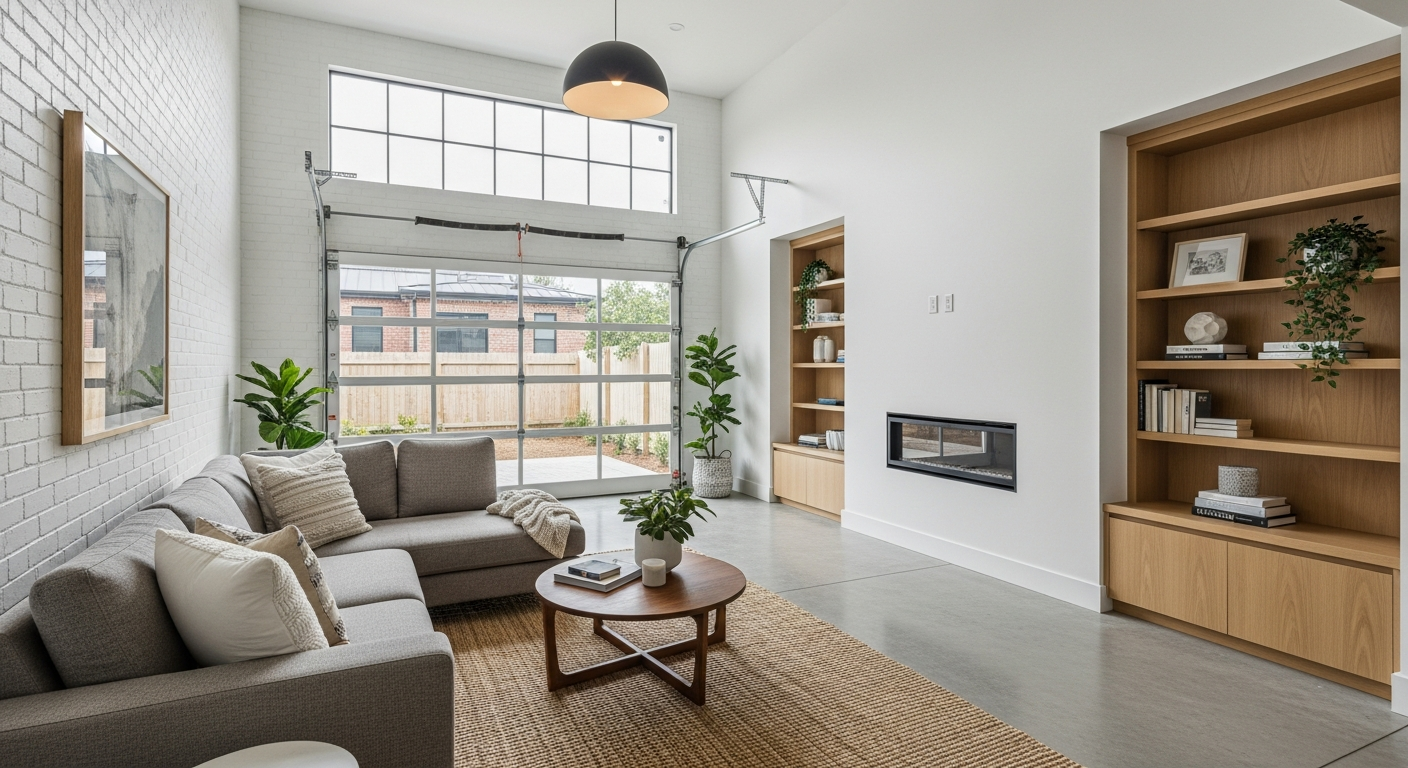
These may still increase taxes, but sometimes less dramatically if much of the building shell already exists. Even so, a county may assess the conversion from non-habitable or accessory space to legal living area as a meaningful improvement.
If you are comparing options, our article on attached vs. detached ADU differences can help you think through practical tradeoffs beyond tax alone.
Will an unpermitted ADU avoid a property tax increase?
In practice, this is the wrong question. An unpermitted ADU can create much bigger problems than a future tax bill. It can complicate financing, insurance, resale disclosures, and code enforcement. It may also limit your ability to legally rent the unit or complete later improvements.
California has taken steps over time to make ADU approvals more workable, but local jurisdictions still expect owners to satisfy applicable rules. If a city or county later discovers unpermitted work, you may face correction costs, retroactive permit issues, or requirements to open walls and verify compliance. In some cases, legalization is possible; in others, the work needed to legalize a unit can be extensive.
For existing structures, accurate documentation is especially important. Measured existing-condition plans are often the first step in permit strategy, whether you are legalizing an older conversion or preparing a new submittal. If your project starts with a garage, see how to get as-built plans for a garage conversion ADU.
So yes, permitted construction can contribute to an ADU property tax increase. But trying to avoid that by skipping permits usually creates far more risk and cost.
Need accurate as-built plans?
FastAsBuilt sends a local crew to laser-measure your property and delivers permit-ready 2D or 3D drawings, starting at $900.
See 2D & 3D pricingHow county assessors generally look at new construction
County assessors do not all explain their workflow in exactly the same language, but the broad concept is consistent: they review the completed improvement and determine the assessable value added by the project. Permit information, construction type, square footage, level of finish, and project costs may all factor into that analysis.
Owners should understand a few practical points:
- The assessed value increase is not always equal to your exact construction contract price.
- High-end finishes and unusually complex work can affect value conclusions.
- Incomplete or phased projects may be handled differently until the unit is substantially complete.
- Supporting documents can matter if you later need to understand or question an assessment.
If you receive a notice of supplemental assessment or another tax-related notice after completion, read it carefully. A supplemental assessment is not the same thing as a penalty; it is often part of the normal process when new taxable value is enrolled. If something looks off, contact the assessor promptly and ask what records were used.
How ADU permit requirements connect to taxes
There is a direct connection between adu permit requirements and property taxes because the permitting process creates the official paper trail for the improvement. Plans, permits, inspections, and final approvals help establish what was built, when it was completed, and whether it qualifies as new construction for assessment purposes.
In California, ADU permit requirements are largely shaped by state law, but the exact submittal package still depends on the city or county. Most owners should expect some combination of:
- Site plan
- Existing and proposed floor plans
- Elevations and sections
- Structural information when required
- Energy compliance documents, often tied to Title 24
- Utility and drainage details where applicable
Measured existing-condition plans can make this process more efficient because they give your designer and engineer a reliable base. FastAsBuilt provides on-site laser measurement across California, and senior drafters turn that field data into permit-ready CAD files in PDF and DWG format. For many residential projects, owners begin with 2D as-built plans starting at $900 for up to 1,500 square feet, with typical delivery in 48 to 72 hours. More complex scopes can use 3D as-built plans starting at $1,500, typically delivered in 3 to 5 business days. You can compare options on our packages page.
Turnaround times are estimates and may vary based on project complexity and scheduling.
If you want a broader planning overview, see what plans you need to build an ADU in California.
California ADU rules can affect project scope, timing, and tax exposure
California adu rules have changed significantly in recent years to encourage more housing, but easier approval does not mean zero tax impact. If the law allows you to build more area, convert more space, or add units more efficiently, you may still be increasing the taxable value of your improvements.
Statewide ADU reforms have addressed issues such as local barriers, parking limits in some contexts, owner-occupancy rules at various times, setback standards for certain projects, and timelines for agency review. Laws like AB 68, AB 2221, SB 897, and SB 1211 have all shaped the current ADU landscape at a general level. They can make a project more feasible, but they do not eliminate the basic property tax principle that new construction may be assessed.
Because these laws evolve, owners should verify the current statute text and confirm local implementation before relying on any summary. For a current overview, you can review our guide to California ADU laws. Multifamily owners may also want to look at SB 1211 and multifamily ADU rules.

Special situations that can change the answer
While the general rule is straightforward, some projects fall into gray areas where the tax effect depends heavily on facts and local interpretation. That is why broad internet answers can be misleading.
Converting existing accessory structures
If you convert a garage, shed, or other accessory structure into an ADU, the tax increase may be lower than for a full new-build, but it is rarely zero. The assessor may look at the value added by the conversion work and the change to habitable use.
JADUs versus ADUs
A junior ADU is different from a full ADU, and in some cases the value impact may differ because the project scope is smaller. Even then, the tax treatment still depends on the actual improvements made.
Multifamily properties
ADU additions on multifamily properties can involve more complicated valuation questions, especially where several units are added or where unused spaces are converted. Owners should coordinate closely with design professionals, the jurisdiction, and the assessor.
Historic or regulated properties
If your property is subject to a historic program such as the Mills Act, or if your project triggers other special local rules, the analysis may be more nuanced. Benefits tied to historic preservation do not automatically erase the assessment effect of new construction. Confirm all details with the city, county, and your tax advisor.
Energy and code upgrades
Some upgrades required to legalize or build an ADU—including energy compliance under Title 24 or structural improvements required by the building official—may expand project cost and scope. That may indirectly affect the value added, even though the upgrades themselves are part of bringing the project into compliance.
How to budget for an ADU property tax increase
The best way to plan is to treat property taxes as a permanent operating cost, not a one-time surprise. Whether you intend to house family, create rental income, or improve long-term property value, your budget should account for the likely increase after final approval.
A practical approach is to build your forecast in layers:
- Design and documentation costs
- Permit and plan-check fees
- Construction costs
- Utility connection or upgrade costs
- Insurance changes
- Expected property tax increase after completion
If your ADU is mainly an income-producing unit, estimate whether the expected rent still works after taxes, insurance, maintenance, and vacancy are considered. If it is for family use, compare the tax increase with the alternatives, such as assisted living costs, market rents elsewhere, or the cost of moving.
Good documentation also helps on the front end. Accurate measured plans reduce avoidable redesign and can speed coordination among your architect, designer, engineer, and contractor. FastAsBuilt serves Los Angeles, Orange County, the Inland Empire, the Bay Area, and San Diego with local crews who perform on-site laser measurement, then senior drafters produce permit-ready CAD files.
How to reduce costly surprises before you build
You may not be able to eliminate a property tax increase, but you can reduce uncertainty. The best projects start with a clear understanding of the existing structure, realistic scope, and a permit path that matches local requirements.
- Order accurate existing-condition plans before design begins.
- Ask your designer to explain whether the project is a conversion, an addition, or full new construction.
- Check with the local planning and building departments about current ADU standards.
- Contact the county assessor to ask how similar projects are commonly treated.
- Keep copies of permits, approved plans, contracts, and final inspection records.
For owners working from older structures, garages, or spaces that do not match prior records, existing measurements become even more important. If you want a statewide legal overview before you start, our article on how AB 68 changed California ADU rules is a useful companion.
Frequently asked questions
Does building an ADU trigger a full reassessment of my whole property?
Usually no. In California, an ADU commonly leads to an assessment of the new construction value added by the project, not a full reassessment of the entire property at current market value. Still, the exact treatment depends on your facts and county assessor practice, so confirm locally.
Will a garage conversion raise property taxes less than a detached ADU?
Often it may, because a garage conversion reuses existing enclosed space rather than building a completely new structure. But it can still increase taxes because converting non-habitable or accessory area into legal living space adds value. The amount varies by scope and county assessment.
Do California ADU laws exempt ADUs from property tax increases?
Generally, no. California ADU laws may make projects easier to approve or expand what can be built, but they do not usually eliminate the rule that new taxable improvements can be assessed. Always verify the latest state law text and local implementation with the relevant jurisdiction.
Can I estimate the tax increase from my construction budget?
You can make a rough planning estimate, but your final tax outcome may not match your construction cost dollar for dollar. Assessors may consider size, type of construction, level of finish, and completion status. For planning purposes, ask the county assessor how they typically review ADU projects in your area.
What documents should I gather before applying for permits?
Start with accurate as-built or measured existing-condition plans, then coordinate with your designer on the full permit package required by your city or county. Many ADU applications also need site information, floor plans, elevations, sections, and energy documents. If your structure has been altered over time, precise field measurement is especially valuable.
Start with accurate as-builts
Order field-measured 2D or 3D as-built drawings and let a local crew handle the measuring and drafting.
Get instant pricingBottom line
Yes, an ADU often increases property taxes in California, but usually through an assessment of the new value you add—not a reset of your entire home’s taxable value. The smartest approach is to budget for that increase, permit the project properly, verify current California ADU rules with your local jurisdiction, and begin with accurate measured plans so your team can design from reliable existing conditions.