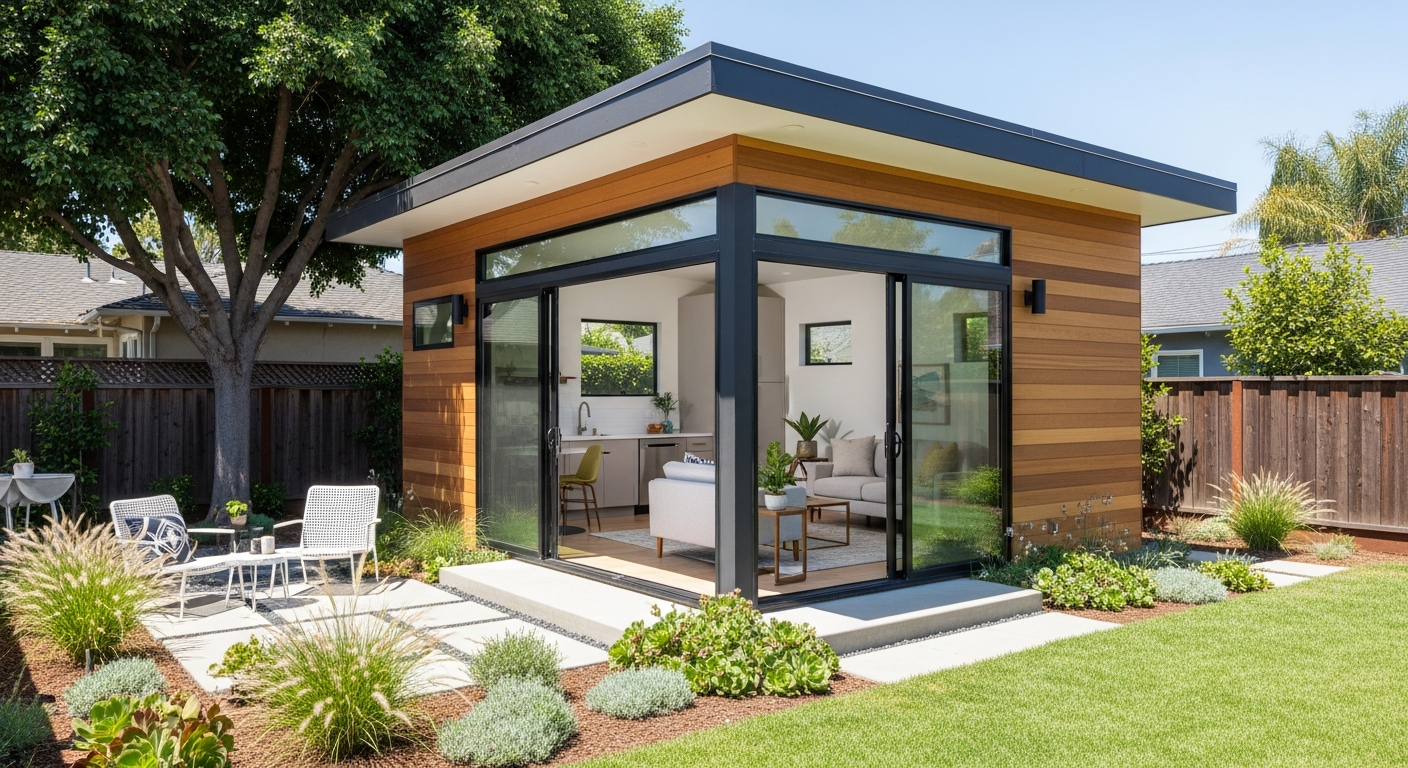
AB 1033 changed the conversation around accessory dwelling units by opening the door, in some California jurisdictions, to selling an ADU separately from the main home. That possibility has drawn a lot of attention from homeowners, small developers, and buyers looking for a lower-cost path into ownership. But the short answer is not simply yes or no. If you are searching for whether ab 1033 sell adu separately is really possible, the answer is: sometimes, and only if your local city or county has chosen to allow it.
That local choice matters because AB 1033 did not create a statewide automatic right to split off and sell every ADU. Instead, it gave cities and counties the option to adopt an ordinance that allows separate conveyance of an ADU, typically through a condominium-style ownership structure. In practice, that means your first question is not just what state law says, but what your planning department, building department, and county recorder will require where your property sits. If you are early in the process, it also helps to understand whether your property can support an ADU at all before you plan around a future sale.
What AB 1033 actually does
At a general level, AB 1033 allows local agencies in California to adopt an ordinance that permits the separate sale of an ADU from the primary residence. The law is often discussed as if it automatically authorizes every homeowner to carve off a backyard unit and sell it, but that is not how it works. A city or county must first decide to participate and then set out local procedures and standards.
In many cases, the practical path is an adu condo conversion california approach rather than a traditional lot split. That usually means creating separate ownership interests within one property, with shared obligations tied to common areas, access, utilities, maintenance, and insurance. The exact paperwork and approval path can vary by jurisdiction, so owners should confirm the local process before assuming a future exit strategy.
- AB 1033 is optional for local jurisdictions.
- It concerns separate sale of an ADU, not a blanket right to split land.
- It often overlaps with condominium mapping, title, lender, and utility questions.
- It does not erase building code, fire, access, or permitting requirements.
Why homeowners are interested in selling an ADU separately
The idea is appealing for obvious reasons. A separate sale could let a homeowner unlock value without selling the main house. It could also create a smaller ownership product in expensive markets where a detached home is out of reach for many buyers. In theory, AB 1033 could support multigenerational planning, retirement strategies, or a way to finance new construction by selling the ADU after completion.
For buyers, an ADU may offer a smaller footprint, lower maintenance burden, and entry into neighborhoods that would otherwise be too costly. For owners considering development, the possibility of separate conveyance can change project economics compared with a rental-only model. Still, there is a large gap between concept and execution. Even where a local ordinance exists, lenders, HOAs, title companies, insurers, and design constraints can all affect whether the deal is workable.
Homeowners often compare AB 1033 with broader ADU reforms such as AB 68 and later California ADU changes, but separate sale is a different issue. Most state ADU laws focus on allowing construction and reducing approval barriers. AB 1033 is about ownership structure after or alongside development.
The most important limitation: your city or county must opt in
This is the point many articles skip. State law created a framework, but your local government has to adopt it. If your city or county has not passed an implementing ordinance, you generally should not assume you can sell the ADU separately. Some jurisdictions may move cautiously because of infrastructure, utility metering, parking, fire access, affordable housing policy, or administrative complexity.
Even in a supportive jurisdiction, local rules may add conditions related to owner occupancy, deed restrictions, common area agreements, mapping, or compliance with subdivision and condominium requirements. That means there is no one-size-fits-all checklist that applies statewide.
Before spending money on legal documents or marketing plans, confirm these points with the local jurisdiction:
- Has the city or county adopted an AB 1033 ordinance?
- What ownership structure is expected for separate sale?
- Are there minimum lot, access, parking, or utility requirements?
- Is a subdivision map or condo plan required?
- Are there occupancy, affordability, or resale restrictions?
- Will the recorder, assessor, and utility providers recognize the setup as proposed?
How separate ADU sale usually works in practice
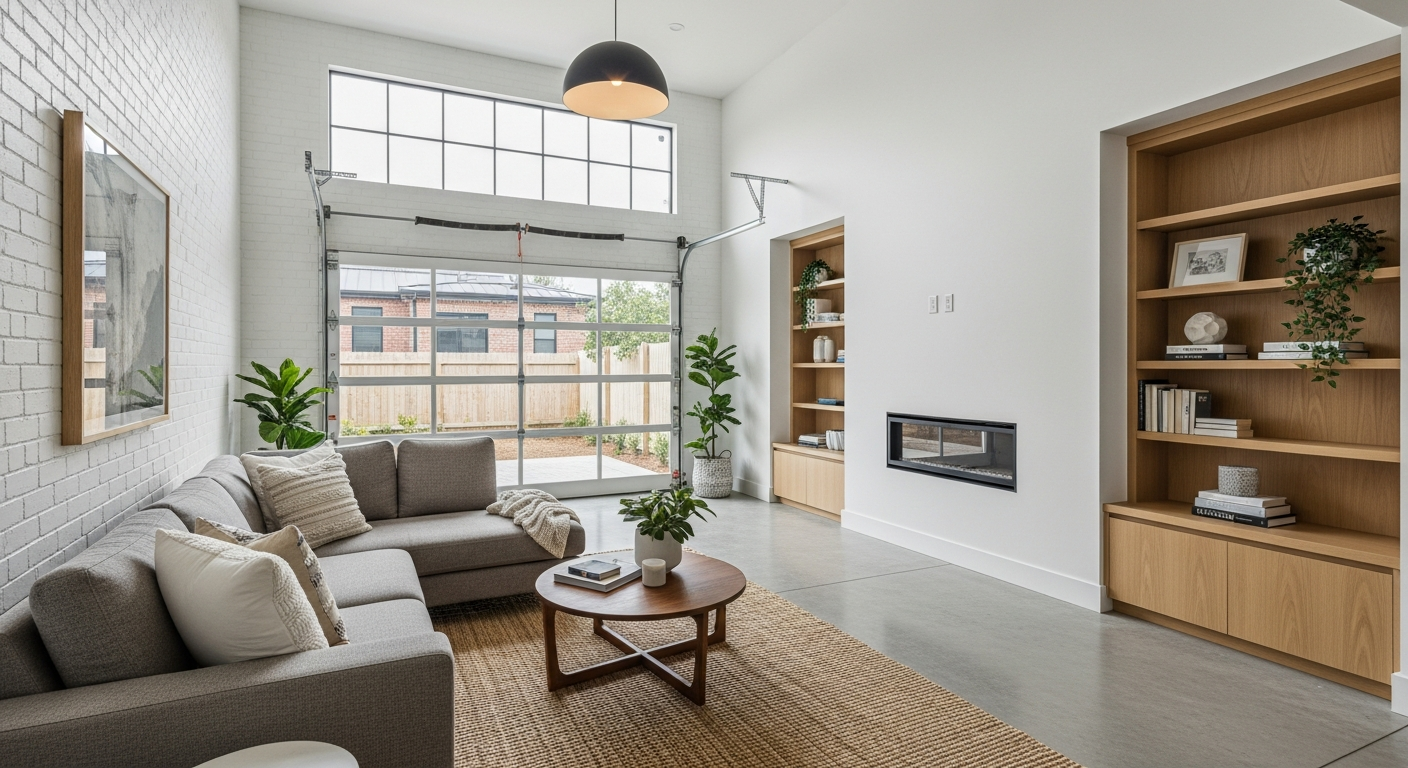
For many owners, the phrase “sell separately” sounds like creating two standalone lots. Usually, that is not the simple outcome. More often, the structure resembles a condominium arrangement in which the land remains part of a common interest framework while the dwellings become separately conveyable units. This is why the secondary keyword adu condo conversion california is so relevant.
That distinction matters because a condo-style arrangement can come with documents and obligations that ordinary single-family owners have never dealt with before. You may need shared maintenance terms, easements for access, utility agreements, insurance allocation, and rules for any common spaces such as driveways or side yards. You may also need a surveyor, civil engineer, land use attorney, mapper, and title guidance depending on the jurisdiction and existing conditions.
If the ADU already exists, accurate documentation becomes even more important. FastAsBuilt often helps owners start with measured existing-condition plans so the design team can work from reality, especially when converting garages, detached structures, or altered homes. If your project begins with an existing building, it helps to understand what as-built drawings are and why permit-ready base plans save time later.
Need accurate as-built plans?
FastAsBuilt sends a local crew to laser-measure your property and delivers permit-ready 2D or 3D drawings, starting at $900.
See 2D & 3D pricingAB 1033 versus SB 9: they are not the same tool
AB 1033 is often confused with SB 9, but they solve different problems. SB 9 can, in many situations, allow an urban lot split or up to two primary units on a qualifying parcel, subject to state standards and local implementation. AB 1033, by contrast, addresses whether an ADU can be sold separately where the local jurisdiction has opted in. One law is about a path to lot and housing configuration; the other is about ownership and conveyance of an accessory unit.
That means a property owner should not assume that eligibility under one law creates eligibility under the other. A parcel may be a poor fit for SB 9 but still potentially support an ADU. Or a parcel may have an ADU but be in a city that has not enabled separate sale under AB 1033. If you are comparing strategies, read more about what SB 9 generally requires in California and verify local rules before choosing a path.
There can also be overlap in the consultant team. Both SB 9 and AB 1033-related projects may raise questions about access, setbacks, utility service, title, and existing-condition accuracy. But the approval logic is different, and that difference affects feasibility, timeline, and cost.
What plans and documents you may need
Whether you are building a new ADU or evaluating an existing one for separate sale, good documentation is the foundation of the project. Local agencies and design professionals generally need a reliable picture of what is on site today. That is especially true when the primary house has older additions, garage conversions, or incomplete records.
FastAsBuilt provides field-measured as-built drawings and measured floor plans across California. Our local crews serve Southern California, the Bay Area, and San Diego. We use on-site laser measurement, and senior drafters produce permit-ready CAD files in PDF and DWG format. For many homeowners, that creates the clean base set needed before architects and engineers begin permit or subdivision-related work.
Typical plan needs may include:
- Existing floor plans of the primary residence and ADU
- Exterior elevations
- Building sections where needed
- Door and window locations
- Site relationships such as access paths and spacing between structures
- Accurate area calculations
If you are trying to move quickly, it helps to know what plans are usually required for an ADU project in California. For properties with existing conversions, you may also benefit from our guide to as-built plans for a garage conversion ADU.
Why as-built drawings matter before you spend on legal and design work
Owners sometimes jump straight into attorney calls about condo conversion or separate sale, only to discover later that the building dimensions, access conditions, or prior alterations were not documented correctly. That can create redesigns, re-measurement, and delays. Starting with measured as-builts gives your team a factual baseline.
For example, a detached structure marketed as an ADU may actually differ from permit records. Ceiling heights, openings, setbacks, utility locations, and internal layouts can all influence the next step. A mapper or architect cannot make dependable recommendations if the base information is wrong.
FastAsBuilt’s common deliverables include:
- 2D As-Built Plans: starting at $900 for up to 1,500 square feet, then $0.50 per square foot; includes one revision and typical 48–72 hour delivery. Turnaround times are estimates and may vary based on project complexity and scheduling.
- 3D As-Built Plans: starting at $1,500, then $1.00 per square foot; includes a 3D model plus 2D floor plans, elevations, and sections, with two revisions and typical 3–5 business day delivery.
- Custom projects: commercial work, ADUs, SB 9, and tenant improvements are quoted individually.
If you already know you need measured plans, you can start the process at /order. If you are still budgeting, our overview of as-built drawing costs in California can help frame expectations.

Special issues for existing, unpermitted, or altered ADUs
Separate sale is usually hardest when the ADU itself is not fully documented or was built without permits. If the unit is unpermitted, local agencies may require legalization before any separate conveyance discussion can move forward. Some owners assume they can address title and sale structure first and fix permit issues later, but in many jurisdictions that sequence is unrealistic.
California has also seen policy efforts aimed at bringing some unpermitted ADUs into compliance rather than forcing immediate removal. Those programs can be helpful, but they are not a guarantee and they do not automatically make a unit separately saleable. The facts still matter: when the unit was built, whether it meets health and safety standards, what records exist, and how the local jurisdiction applies current rules.
If your ADU was created informally, start by understanding how unpermitted ADUs may be legalized. You may also want to review California’s ADU amnesty discussion under AB 2533. In either case, confirm the details with your city or county because local implementation can vary.
Financing, title, insurance, and utility questions can decide the deal
Even if local land use rules appear favorable, a separate ADU sale can stall for reasons outside planning and building review. Buyers need financing. Lenders need a structure they understand and are willing to underwrite. Title insurers need clean documents. Utility providers may need a workable setup for service and billing. Insurance carriers may require specific coverage allocations for common areas and shared improvements.
These practical issues often determine whether an AB 1033 project is merely legal in theory or marketable in practice. Common sticking points include:
- Shared driveway or path access
- Separate or shared utility metering
- Easements for maintenance and repairs
- Responsibility for roofs, fencing, drainage, and exterior walls
- Lender comfort with a small, unusual ownership product
- Resale disclosures and buyer understanding of common obligations
Because of that, owners should treat separate sale as a team effort involving planning, design, legal, title, and financial review. It is not just a permit question.
Who should seriously explore AB 1033
AB 1033 is not the right strategy for every property, but it can be worth exploring in a few common scenarios. Homeowners with a well-designed detached ADU in a jurisdiction that has opted in may see an opportunity to create a smaller ownership unit. Families planning for long-term multigenerational housing may want flexibility to transfer ownership later. Small infill developers may look at AB 1033 where a standard lot split is not available or not ideal.
It may be less attractive if the site has heavy sharing of yards, parking, utilities, or circulation that would be awkward to formalize. Likewise, older properties with undocumented changes may need substantial cleanup before the ownership question is even ready to evaluate.
Good candidates often have:
- A local jurisdiction that clearly opted in
- A detached or cleanly separated ADU layout
- Documented permits or a realistic path to legalization
- Clear access and utility planning
- A consultant team familiar with California ADU and mapping issues
Projects that may be harder:
- Tight lots with complex access constraints
- Heavily altered homes with missing records
- Garage conversions with unresolved code issues
- Properties where buyers may struggle to finance the structure
Frequently asked questions
Does AB 1033 mean every California homeowner can sell an ADU separately?
No. AB 1033 does not create an automatic statewide right. Your city or county generally must adopt a local ordinance allowing separate sale of an ADU, and local procedures can vary. Always confirm with the planning department and, if needed, a land use attorney or mapper.
Is separate ADU sale the same as splitting the lot?
Usually no. In many cases, the likely path is a condominium-style ownership structure rather than dividing the land into two simple fee parcels. That is why people often search for adu condo conversion california when researching AB 1033.
Can you sell an existing garage conversion ADU separately?
Possibly, but only if the jurisdiction allows separate sale and the unit is legal or can be brought into compliance. Existing garage conversions often need accurate as-built plans and a permit review first. If records are incomplete, start with measured existing-condition drawings so your design and legal team can assess feasibility.
Do you need as-built drawings for an AB 1033 project?
They are often one of the smartest first steps, especially for existing homes and converted structures. Accurate floor plans, elevations, and sections help architects, engineers, mappers, and local reviewers understand what is actually on site. That reduces surprises before you invest in more expensive professional work.
How long does it take to get measured plans?
For FastAsBuilt’s 2D As-Built Plans, typical delivery is 48–72 hours. For 3D As-Built Plans, typical delivery is 3–5 business days. Timing for the full AB 1033 path will be much longer because local approvals, design coordination, title review, and legal documents can add substantial time.
Turnaround times are estimates and may vary based on project complexity and scheduling.
Start with accurate as-builts
Order field-measured 2D or 3D as-built drawings and let a local crew handle the measuring and drafting.
Get instant pricingBottom line
AB 1033 creates a potential path to sell an ADU separately in California, but only where the local jurisdiction has chosen to allow it and only when the ownership, permitting, and practical details line up. For most owners, the real question is not just “Can I?” but “What structure will my city accept, and do my existing conditions support it?” If you are exploring this route, start with local rule verification and accurate as-built documentation so your team can evaluate the property from a solid baseline.