Do Basements Count Toward Square Footage in California?
In California, basement square footage may be real and valuable, but whether it counts as living area depends on access, finish, permits, and local rules.
Read article →Practical guides on as-built drawings, permitting, renovations, and property documentation in California.
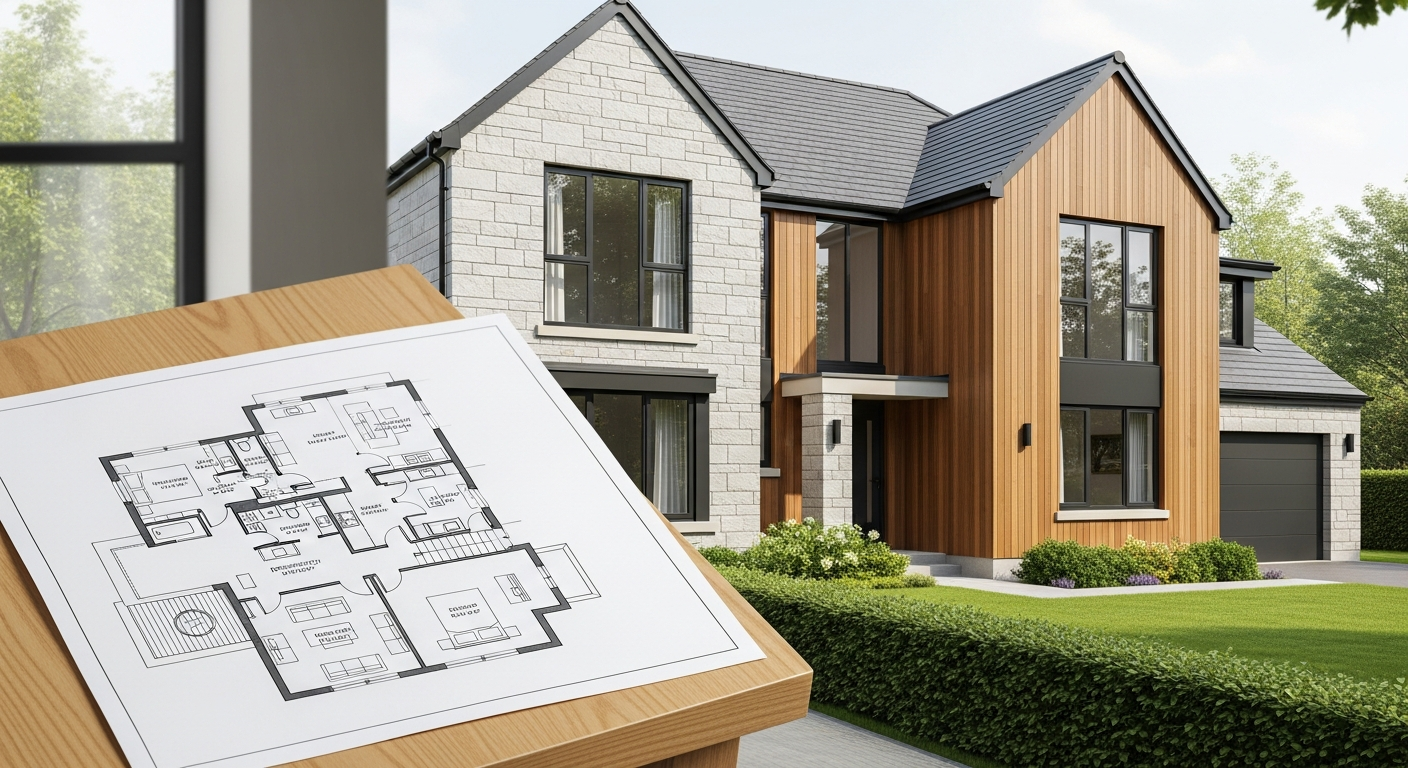
In California, basement square footage may be real and valuable, but whether it counts as living area depends on access, finish, permits, and local rules.
Read article →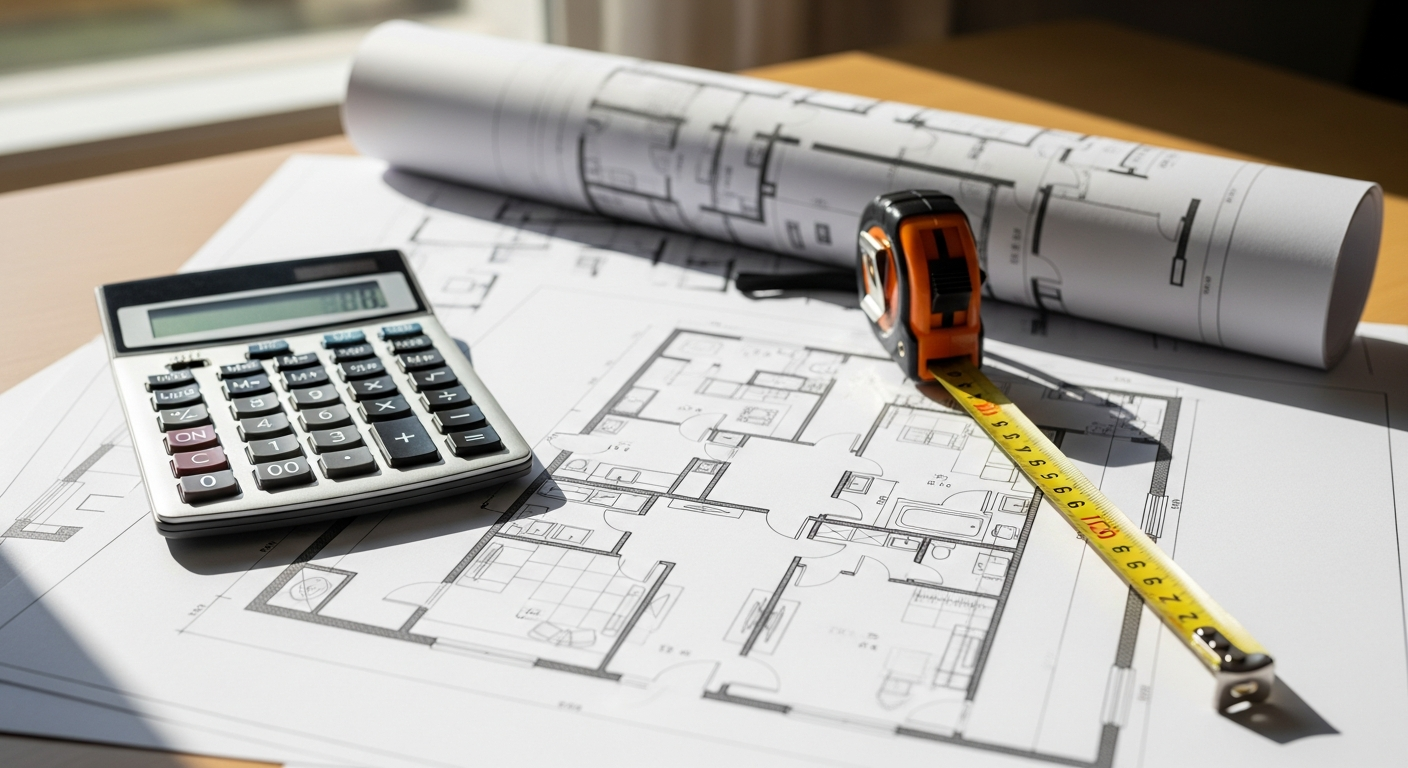
Architects often charge extra for as-built drawings, but outsourcing field measurement and drafting is usually a faster, lower-cost way to get permit-ready plans.
Read article →
A converted garage may count as living space only if it was legally permitted, built to habitable standards, and recognized by local records and market practice.
Read article →
Gross, net, and livable square footage measure different things, and knowing the difference helps you compare listings, plan renovations, and avoid costly misunderstandings.
Read article →
A clear floor plan for staging helps buyers understand layout, furniture scale, and usable square footage before they visit the property.
Read article →
GLA and GBA both describe building size, but they are not interchangeable, and the difference can affect appraisals, listings, permits, and pricing.
Read article →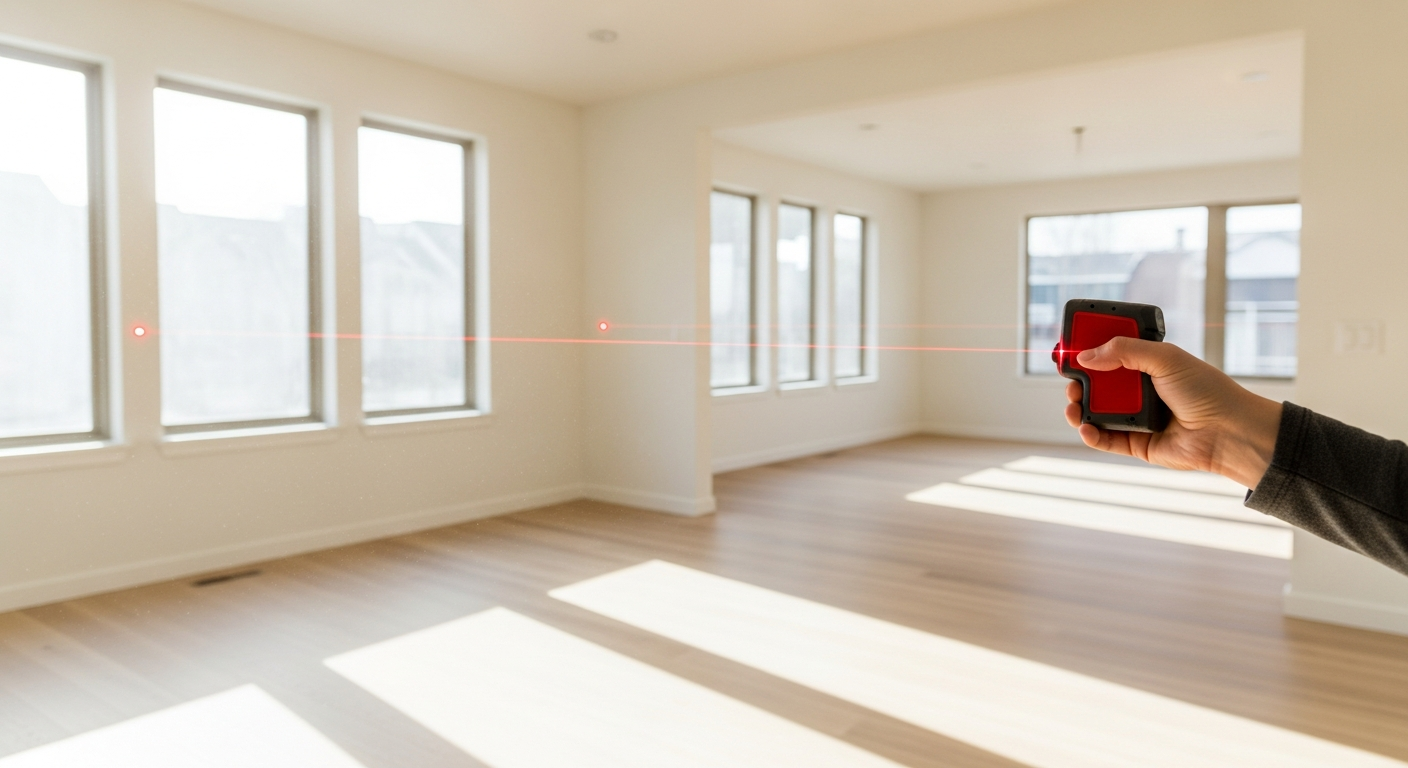
A short term rental permit floor plan should clearly show rooms, exits, dimensions, and sleeping layout so your California application is easier to review.
Read article →
An accurate airbnb floor plan helps guests understand layout, supports better pricing and marketing, and gives California hosts reliable square footage for listings and upgrades.
Read article →
Estate property documentation creates a clear record of a home’s layout, size, and improvements so trustees, heirs, and advisors can make decisions with fewer surprises.
Read article →